
In this article, we explore the essential role of plasters in wound healing, debunk common myths about whether wounds should be covered, and highlight the multiple benefits of using plasters correctly. Whether it's preventing infection, controlling bleeding, or speeding up the healing process, plasters offer vital protection and support to help your body recover more efficiently.
How do plasters work?
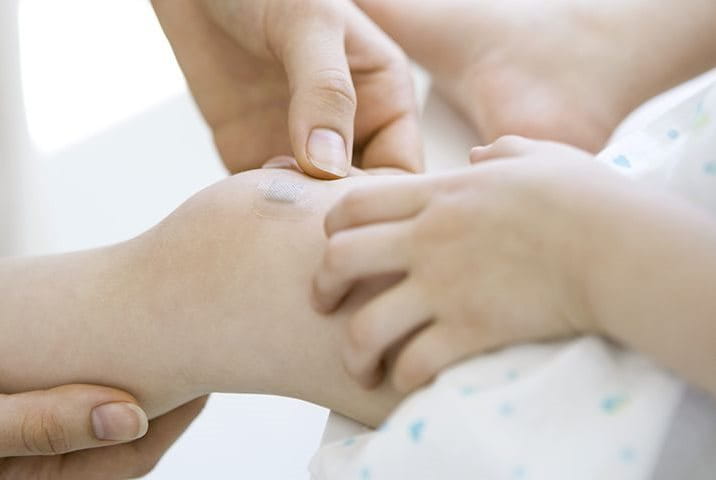
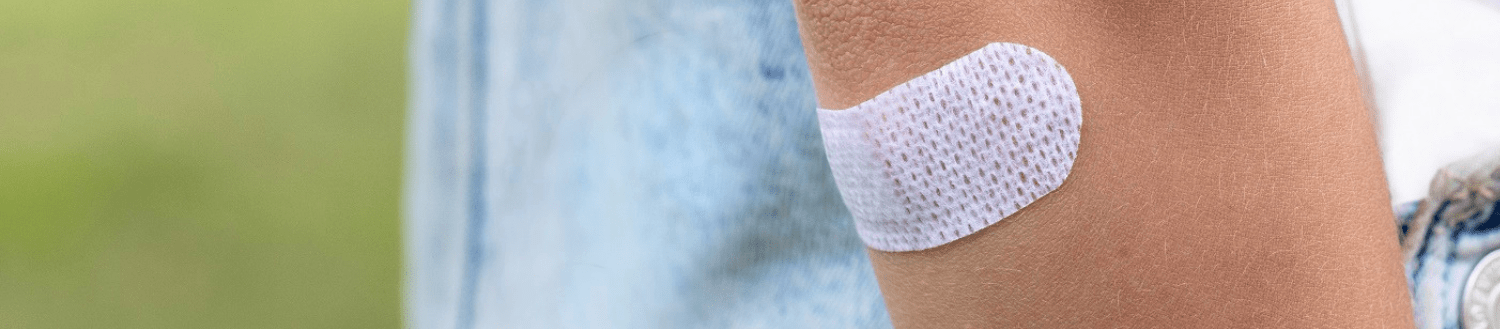
Plasters have a number of useful purposes, all of which contribute to the healing process. We’ve listed the main benefits of using plaster below:
⦁ Help to control bleeding for minor wounds, by holding your blood platelets in place to build on each other and form a clot
⦁ Reduce the chance of your wound becoming infected by creating a barrier to bacteria
⦁ Give your injury some protection from accidental knocks during the healing process, which could otherwise reopen the wound
⦁ Speed up the healing process by selectively absorbing fluid while keeping the wound moist
⦁ Plasters can help prevent you from scratching your wound if it feels itchy
While regular plasters offer the benefits listed above, Hansaplast Second Skin Protection plasters are designed to provide advanced protection for minor wounds, burns, or blisters. Some of the key benefits of these plasters include:
⦁ Keeping the wound moist to promote faster healing
⦁ Providing a cushioning layer to help reduce pressure on the injury site and soothe discomfort
⦁ Long-lasting adhesion and protection from water
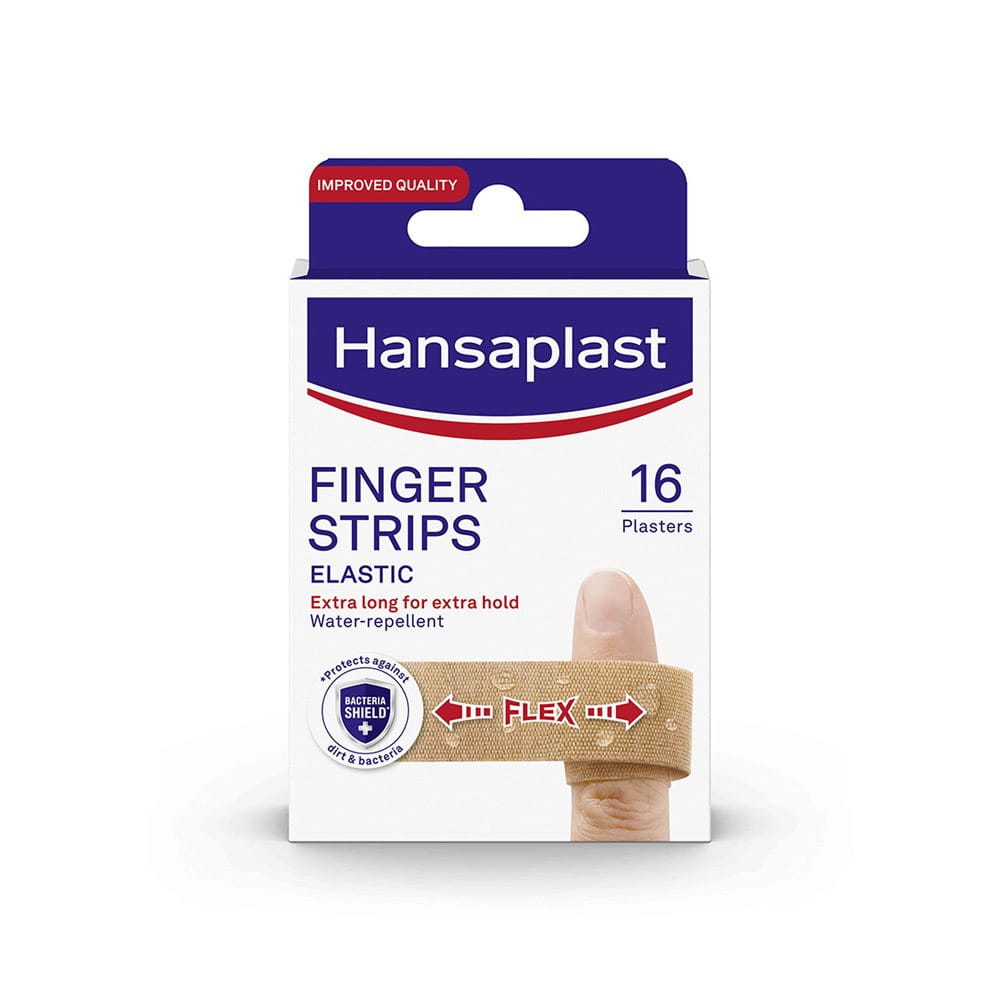
The Hansaplast Second Skin Protection Plasters are available here.
How to apply a plaster
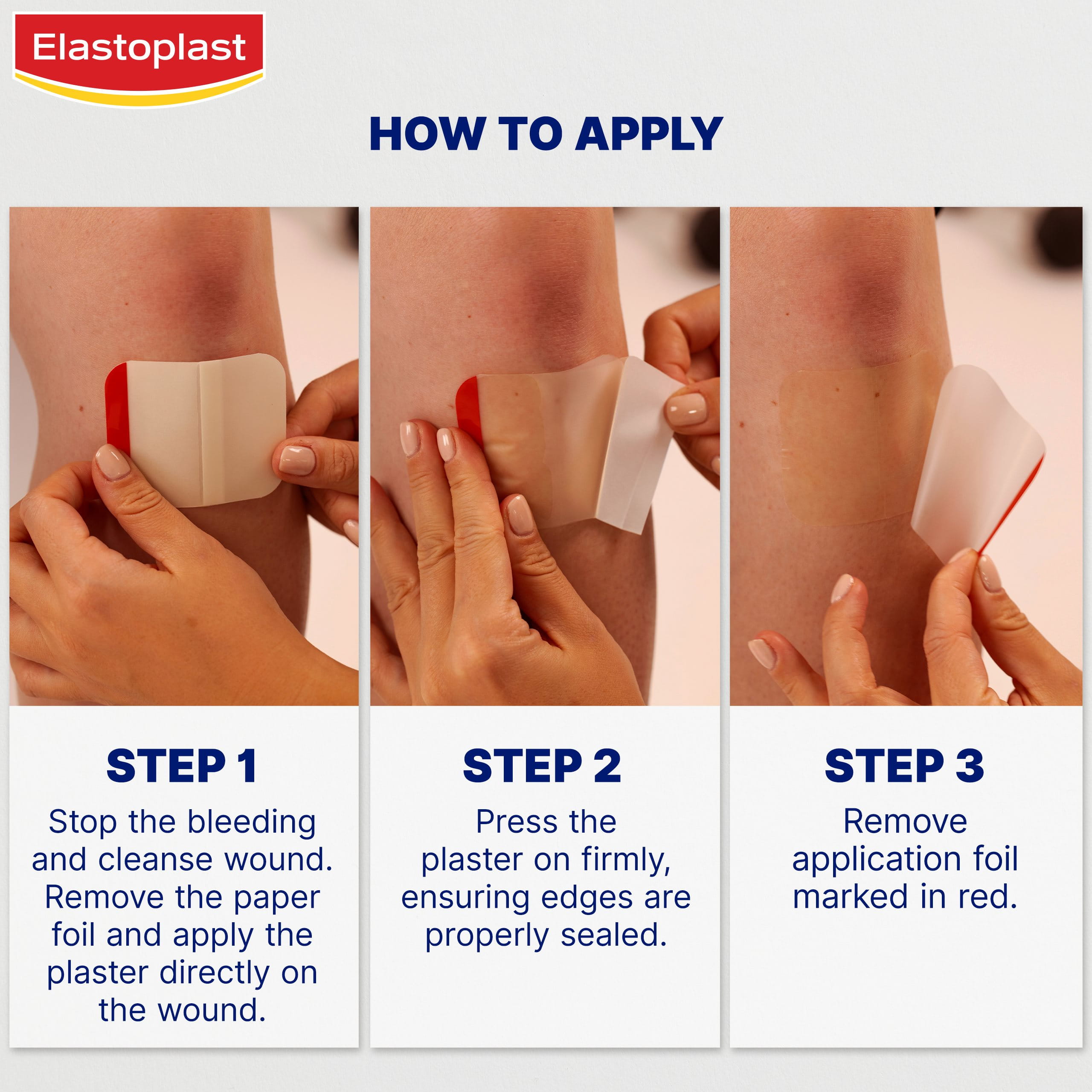
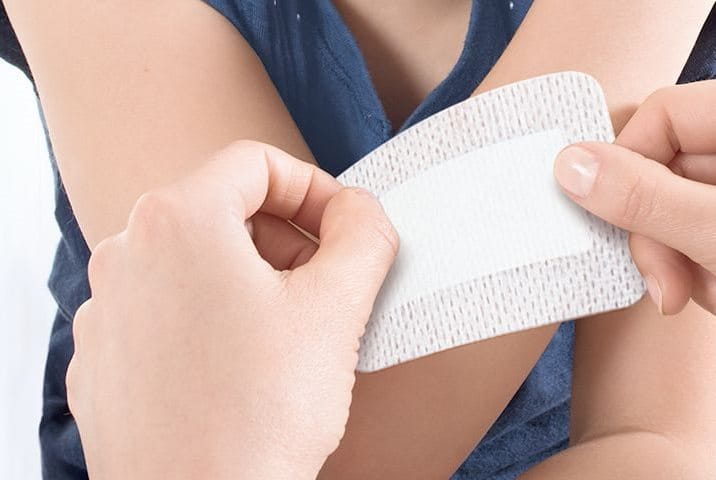
After you've learned all about how to do plasters work, it's time to learn how to apply them. No matter whether the wound plaster you want to apply is square, a surgical plaster, or a first aid plaster, the process remains the same. Let’s have a look at the steps you need to take to apply the plaster effectively:
- Clean and dry the wound and the surrounding skin - learn more about how to clean a wound
- Unwrap the plaster and hold it by the protective strips with the pad side facing downwards
- Peel back the strips to show the wound pad, carefully placing the pad on the top of the wound. Be sure not to touch the surface of the pad
- Pull away the strips and press the edges of the plaster down with your fingers
How to remove a plaster
The best way to remove your plaster and cause as little damage as possible is to go slowly and gently. In this case, the phrase “rip off the plaster” doesn’t apply! Try this method to keep the process painless:
- Hold one edge of the plaster and lift the edge.
- Use your other hand to hold the surrounding skin taut.
- Gently remove the plaster, making sure it remains close to the skin and in the direction of hair growth.
- For more information about removing plaster, read our full guide on how to remove plaster.
After you remove your plaster, you may be left with sticky adhesive residue, which can be easily removed.
How often should you change a plaster?
How often you should change your plaster depends on the type of plaster you’re using.
Typically, you should keep Hansaplast Second Skin Plaster or similar hydrocolloid plaster on a cut for three to five days. This type of dressing/plaster is designed to stay in place and create a moist healing environment, which can help speed up the healing process.
It’s important to check the wound regularly to ensure the plaster is still secure, clean, and not causing any irritation.
If the plaster becomes saturated, loose, or starts to peel off, it's time to replace it.
Regular plasters should be changed daily for hygiene reasons, as they can pick up a lot of dirt and bacteria throughout the day, and you don’t want to risk this getting into the wound. You should also change your plaster if blood soaks through or if it becomes very wet.
Regular plasters should be changed daily for hygiene reasons, as they can pick up a lot of dirt and bacteria throughout the day, and you don’t want to risk this getting into the wound. You should also change your plaster if blood soaks through or if it becomes very wet.
Do plasters go out of date?
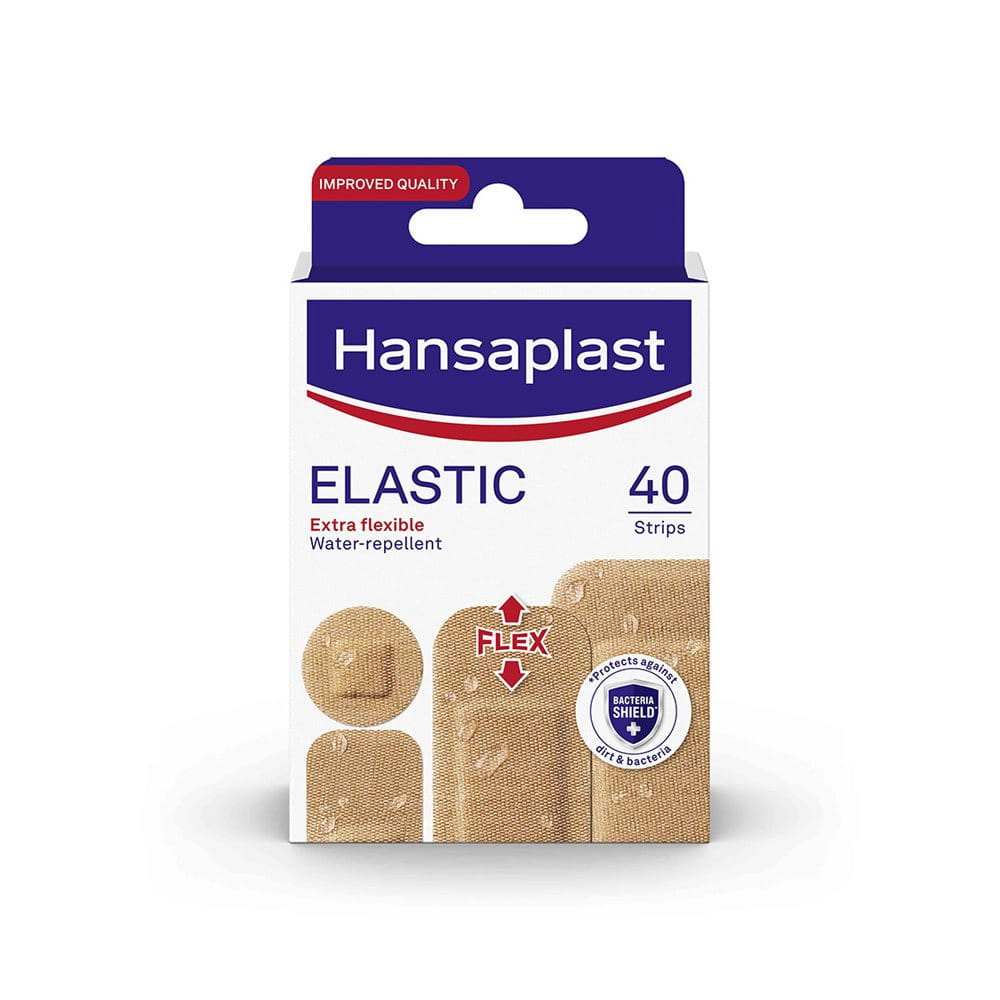
Yes, plasters do go out of date. You should check the expiry date on your box of plasters, and we advise against using them past this date.
The adhesive part of the plaster will degrade over time, and you may find that out-of-date plasters no longer stick as required. The white pad of the plaster may also lose its sterility if used after the expiry date, which could increase the likelihood of infection. This is more likely if the box is already open.
Do wounds heal faster covered or uncovered?
We’ve all heard the claim that allowing a wound to “breathe” uncovered is the best way to deal with it. However, you might be surprised to hear that this is a myth, and in fact, the extra moisture offered by a wound covering is known to speed up the healing process.
Using a plaster or bandage has the added advantage of protecting the wound from bacteria, reducing the chance of an infection, which can dramatically set back healing time.
Research has shown that maintaining moisture can help heal a wound three to five times faster than allowing it to dry out. Learn more about moist wound healing. Moisture is an important ingredient in wound healing because it promotes the growth of new skin cells, which is an essential process following a cut. Cells can grow and divide more quickly in a moist environment, like the one created by a plaster.
What are plasters made of? And can you be allergic to plasters?
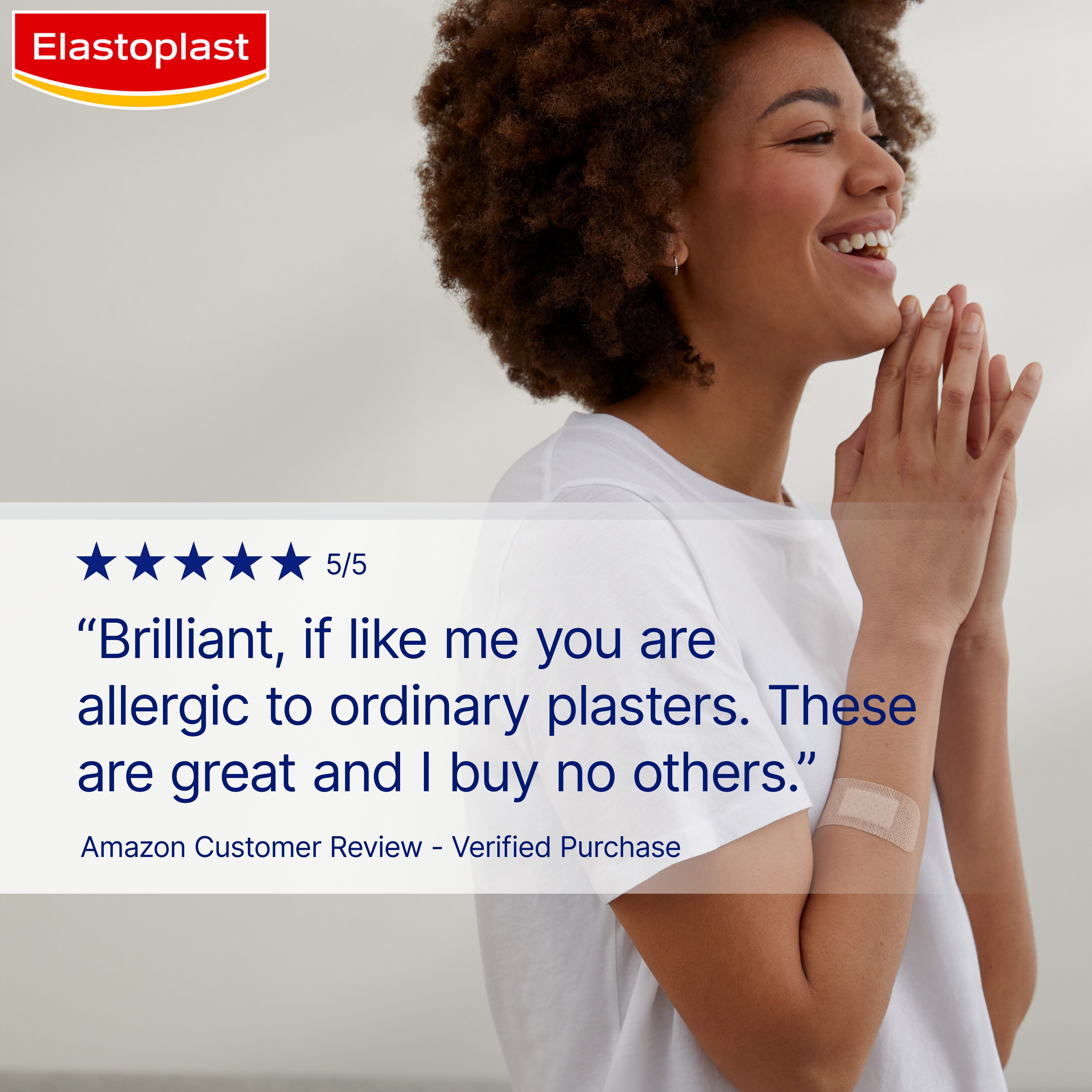
Yes, it is possible to be allergic to plasters. Some people may have an allergic reaction to certain materials used in plasters, such as:
Adhesives: Many plasters contain adhesives that can cause skin irritation or allergic reactions.
Latex: Some plasters use latex in their construction, which can cause allergic reactions in people who are sensitive or allergic to latex. This can result in redness, itching, or swelling at the site where the plaster is applied.
Symptoms of an allergic reaction to plasters can include redness, itching, swelling, or blistering around the area where the plaster is applied.
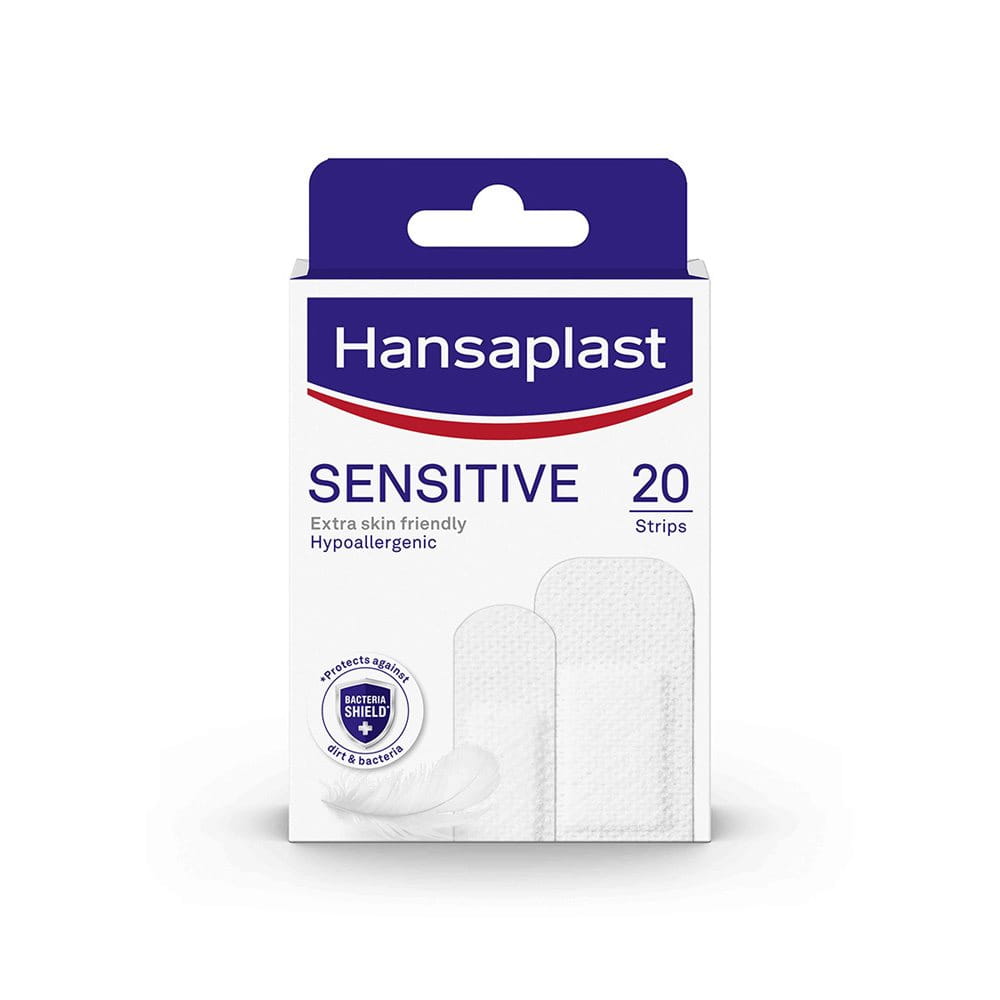
Elastoplast offers hypoallergenic options that can help those with sensitivities or allergies to standard plasters. These products are designed with gentle adhesives that minimize the risk of irritation and are free from latex, making them a safer choice for individuals with allergies.
Do plasters draw out splinters?
Plasters do not "draw out" splinters; they are meant to protect the wound and keep it clean rather than actively pull out foreign objects.
To safely remove a splinter, it's best to use clean tweezers or a needle. If needed, soak the area in warm water to loosen the splinter before attempting removal. Afterwards, plaster can be used to cover and protect the area as it heals.
Why are plasters called plasters?
The word “plaster” is of Old English origin, meaning “a bandage spread with a curative substance”. This comes from the medical Latin word “emplastrum”, also meaning “plaster” or “bandage”.
When to see a doctor about a cut
You should seek medical help if your wound is dirty, caused by an unclean object or by an animal or human. If you haven’t had a tetanus vaccine within the last five years, you will most likely need a booster in these situations.
You should keep an eye out for signs of infection during the course of the healing process, as this will cause your wound to get worse and will need to be treated. Signs of infection include increased pain, redness, swelling, warmth, discharge and/or an unpleasant odour from the wound.
More advanced symptoms are fever, nausea and vomiting. If you experience any of these symptoms during the wound healing process, you should seek medical help at the earliest opportunity.
Always see a doctor if a wound is deep, bleeds heavily or shows signs of infection like reddening, swelling or warmth.
Please note that, although these were compiled with great care, the tips and advice given on this website by no means substitute medical advice and treatment. If you have or suspect a health problem, consult a doctor and follow medical advice regardless of what you have learned on this website.
Always read carefully and follow the instructions for use or the product leaflets. For further information about our products, please contact us via email at Hansaplast@Beiersdorf.com.
Please note that, although these were compiled with great care, the tips and advice given on this website by no means substitute medical advice and treatment. If you have or suspect a health problem, consult a doctor and follow medical advice regardless of what you have learned on this website.
Always read carefully and follow the instructions for use or the product leaflets. For further information about our products, please contact us via email at Hansaplast@Beiersdorf.com.