

However, through expert advice and practical tips in this article, you can gain the confidence to manage burns and scalds, ensuring the best possible outcomes for skin health and recovery.
What’s the difference between a burn and a scald?
Different degrees of burns
First-degree burns

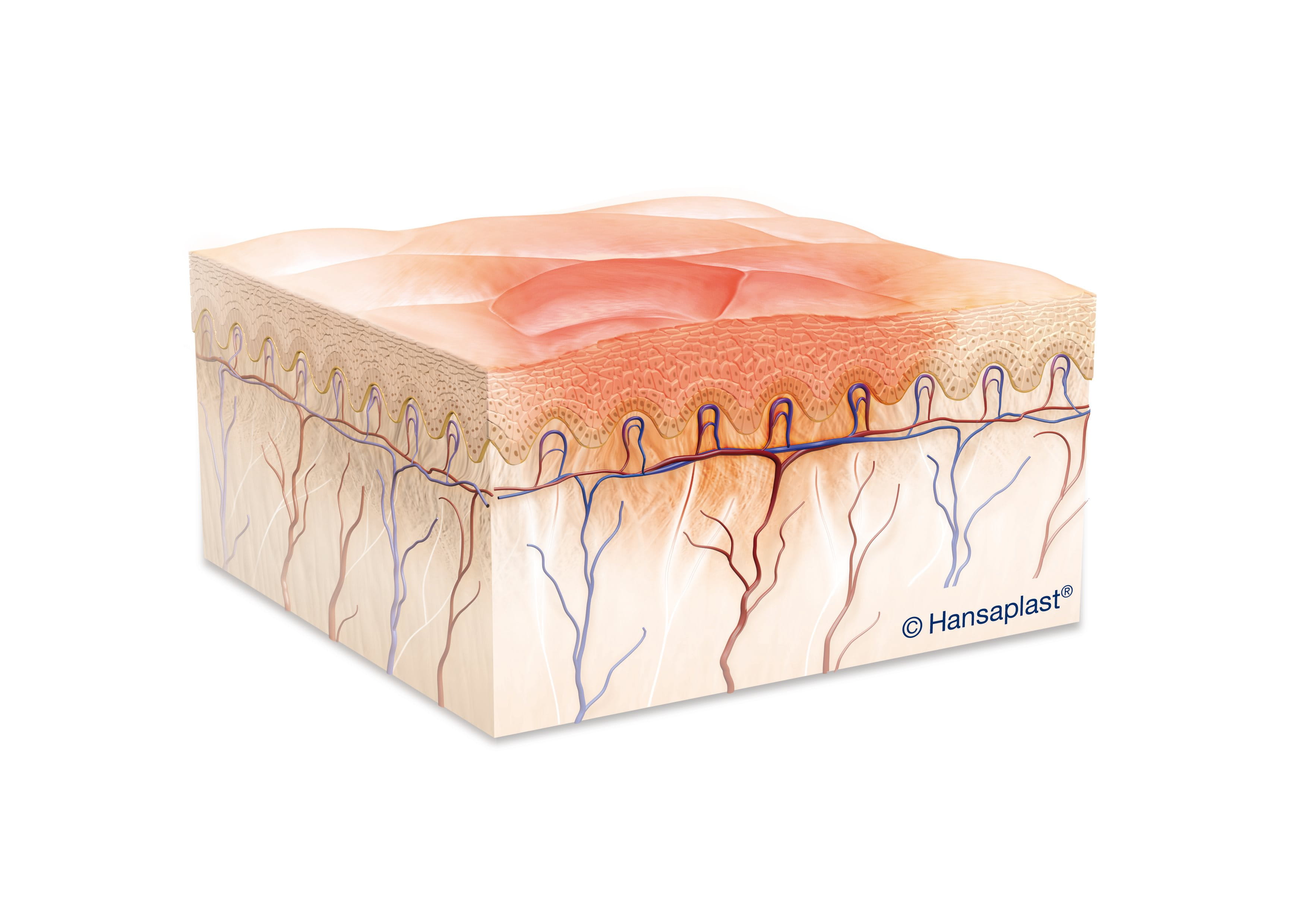
Also known as superficial burns, first-degree burns are the least severe type of burn and can usually be treated at home. They only affect the outer layer of skin (the epidermis) and are characterized by pain, redness, and minor swelling. These burns do not blister and tend to heal in three to six days without any scarring.
Some common causes of first-degree burns and scalds include:
⦁ Thermal burns, which are usually caused by touching hot objects such as irons or hot liquids.
⦁ Sunburn, which is caused by overexposure to the sun’s UV rays.
⦁ Electrical burns are caused by exposure to electrical currents through socket openings and electrical appliances.
⦁ Friction burns are caused by the skin rubbing against a rough surface, such as carpet or artificial turf and breaking. Carpet burns are more prone to infection.
Second-degree burns

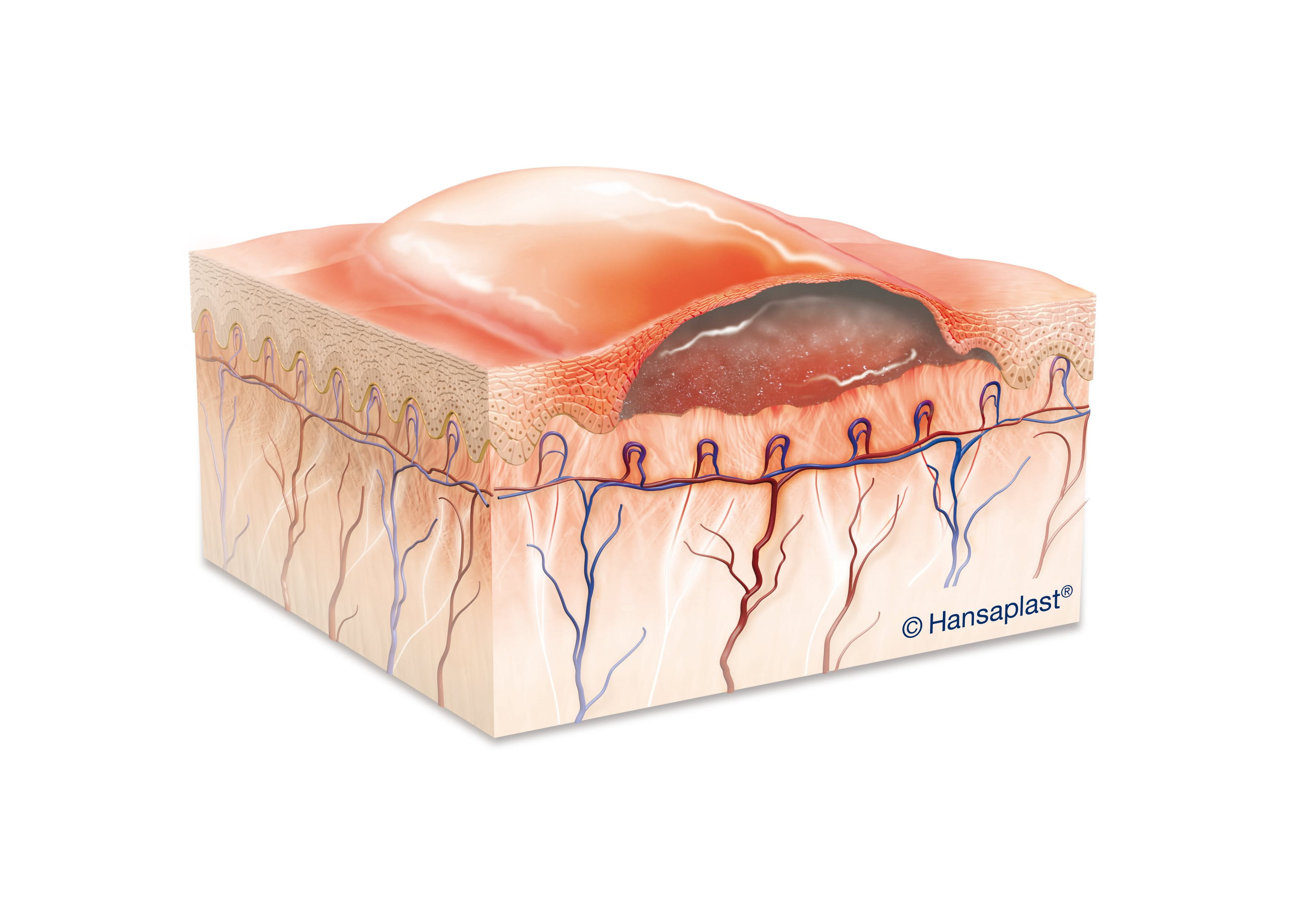
Second-degree burns are also called ‘partial thickness burns’ because they extend through the first layer of skin into the second layer (the dermis). Symptoms of second-degree burns include intense redness, pain, swelling and blistering. The burn blisters can also pop open, increasing the risk of infection.
⦁ Severe sunburn, which is more serious than superficial sunburn, can result in extensive blistering on the skin.
⦁ Household burns and scalds caused by ovens, barbeques, hot liquids and curling irons can turn into second-degree burns if the injury is large and reaches the dermis. Hot oil burns can be particularly damaging.
⦁ Chemical burns can be caused by household cleaning products, including bleach.
Third-degree and fourth-degree burns
Fourth-degree burns go through both layers of the skin and underlying tissue, affecting muscle and bone. The damage is so extensive to the burn area that it may be numb due to nerve destruction. Fourth-degree burns require urgent and extensive medical care, often involving multiple surgeries and long-term rehabilitation.
How to treat burns and scalds
Treating first-degree burns
Typically, first-degree burns recover on their own and do not require special treatment.
⦁ Cool the affected area under lukewarm running water for 20 minutes as soon as possible to relieve the pain.
⦁ If you have a sunburn, wear loose-fitting clothing for a few days.
⦁ Drink plenty of fluids to stay hydrated.
Treating second-degree burns
⦁ Move away from the heat source and secure the danger area first. Switch off electrical appliances, fight flames or remove the source before treating the burn.
⦁ Remove any clothing or jewellery near the affected area, but don't remove anything stuck to the skin.
⦁ Immediately cool the burn to reduce swelling by running cool (not ice cold) water over the burn area for 10 to 15 minutes or until the pain eases. Doing this can reduce pain and reduce the extent of the burn. Do not place ice directly on the burnt skin, as this can cause ice burns.
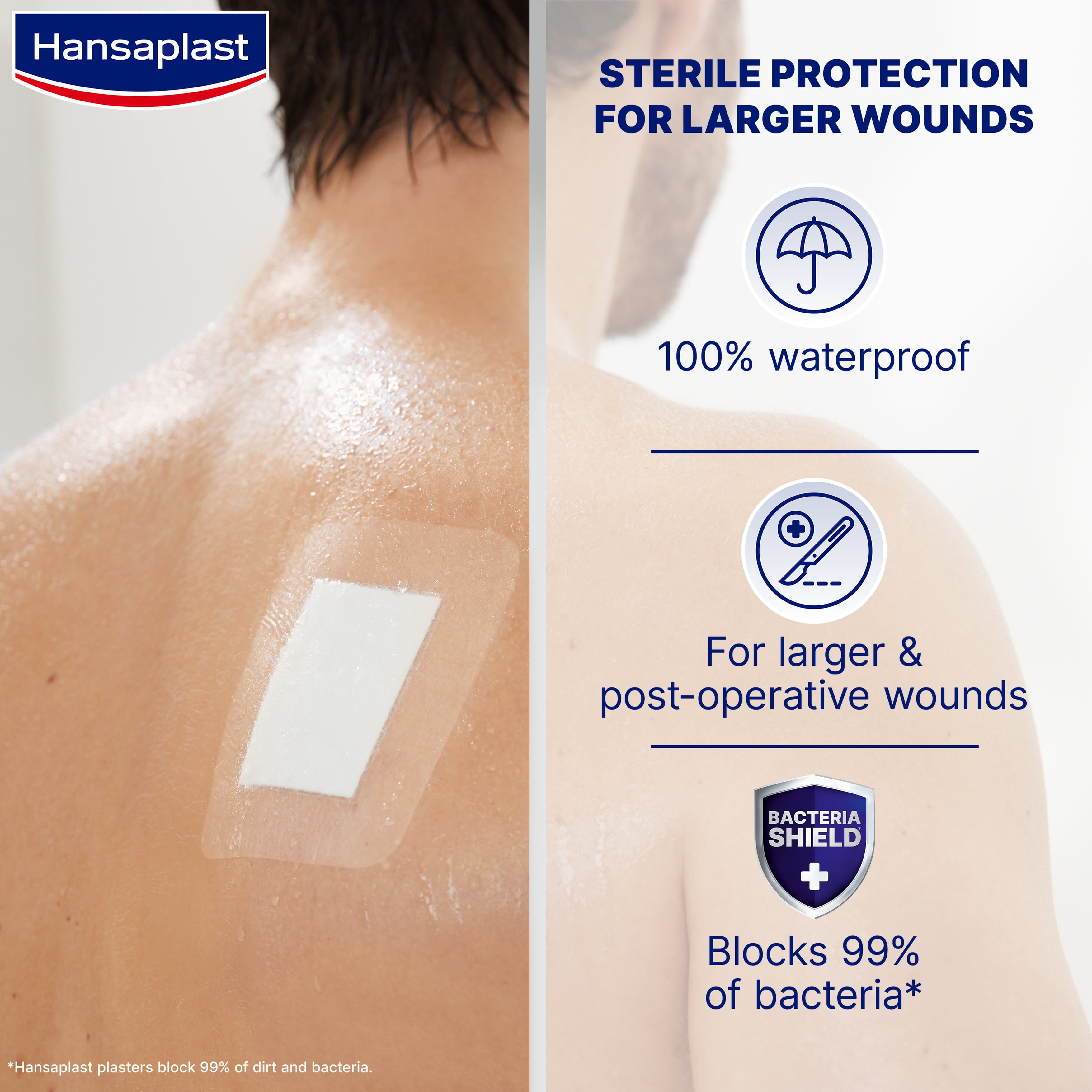
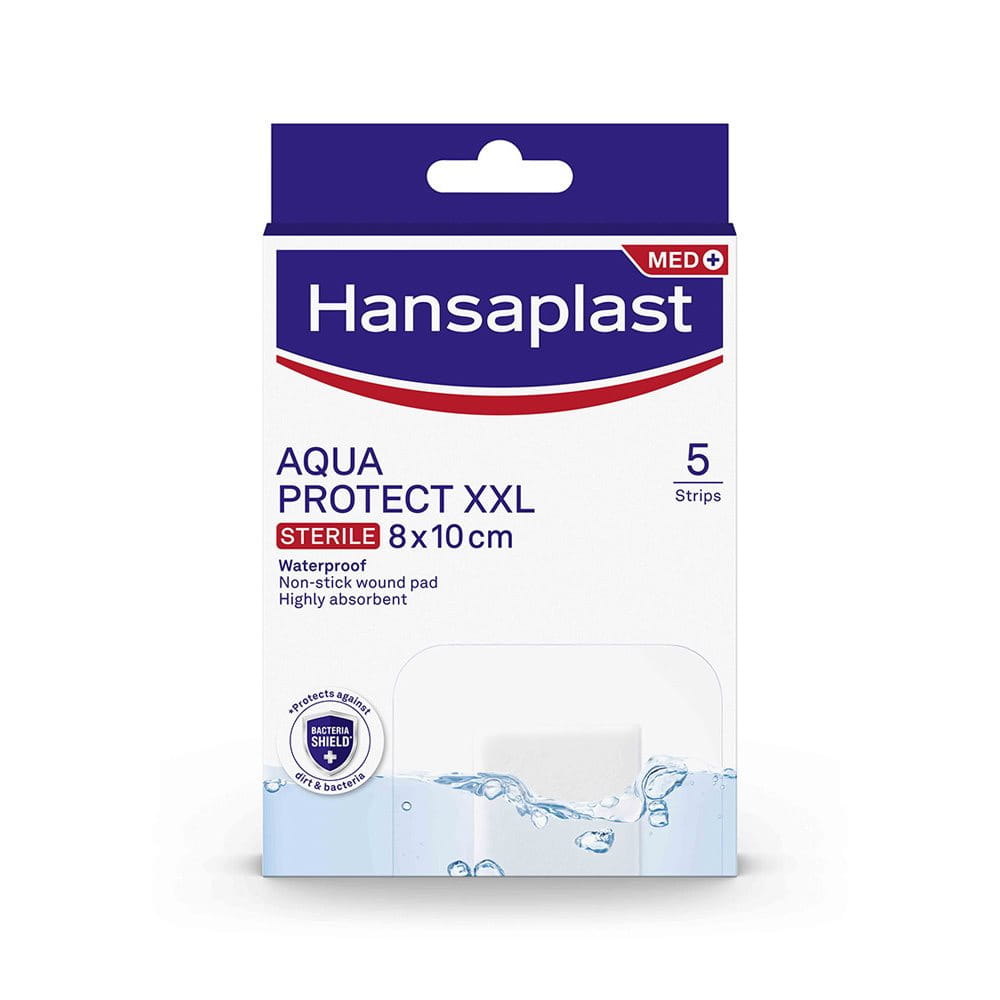
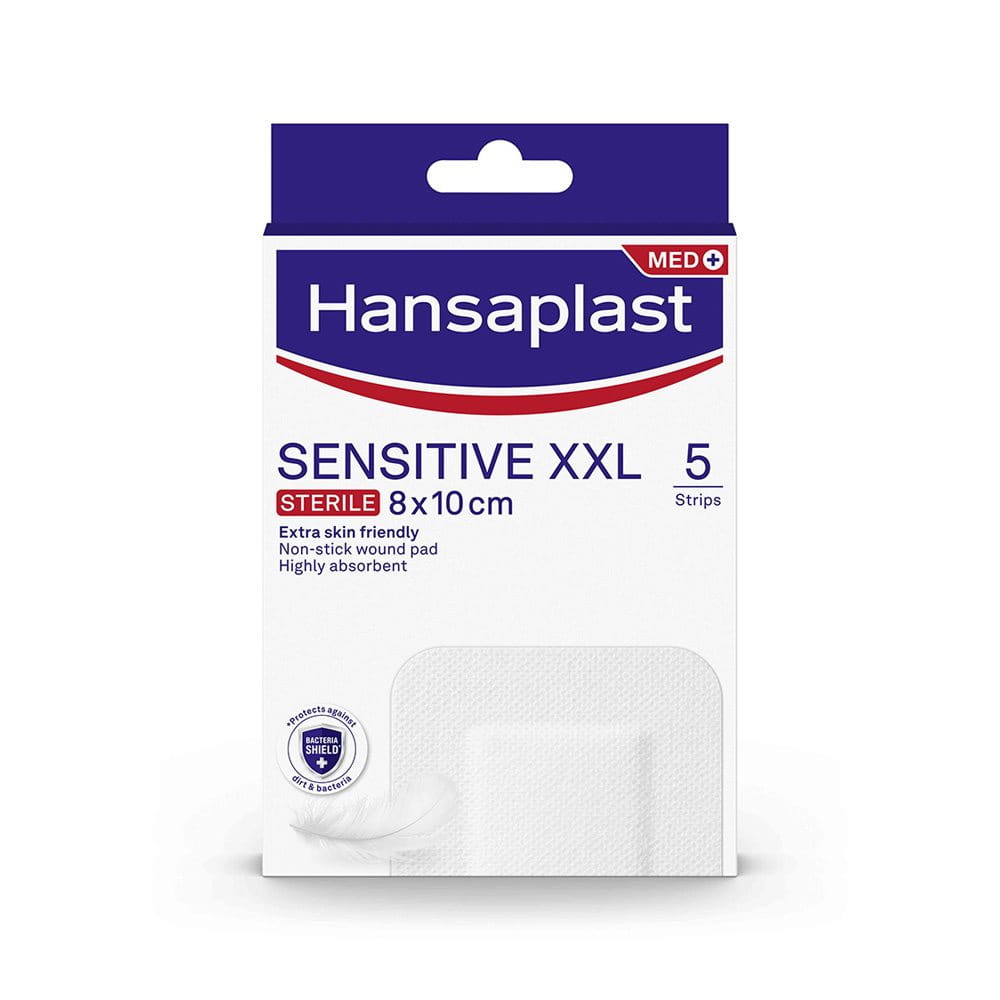
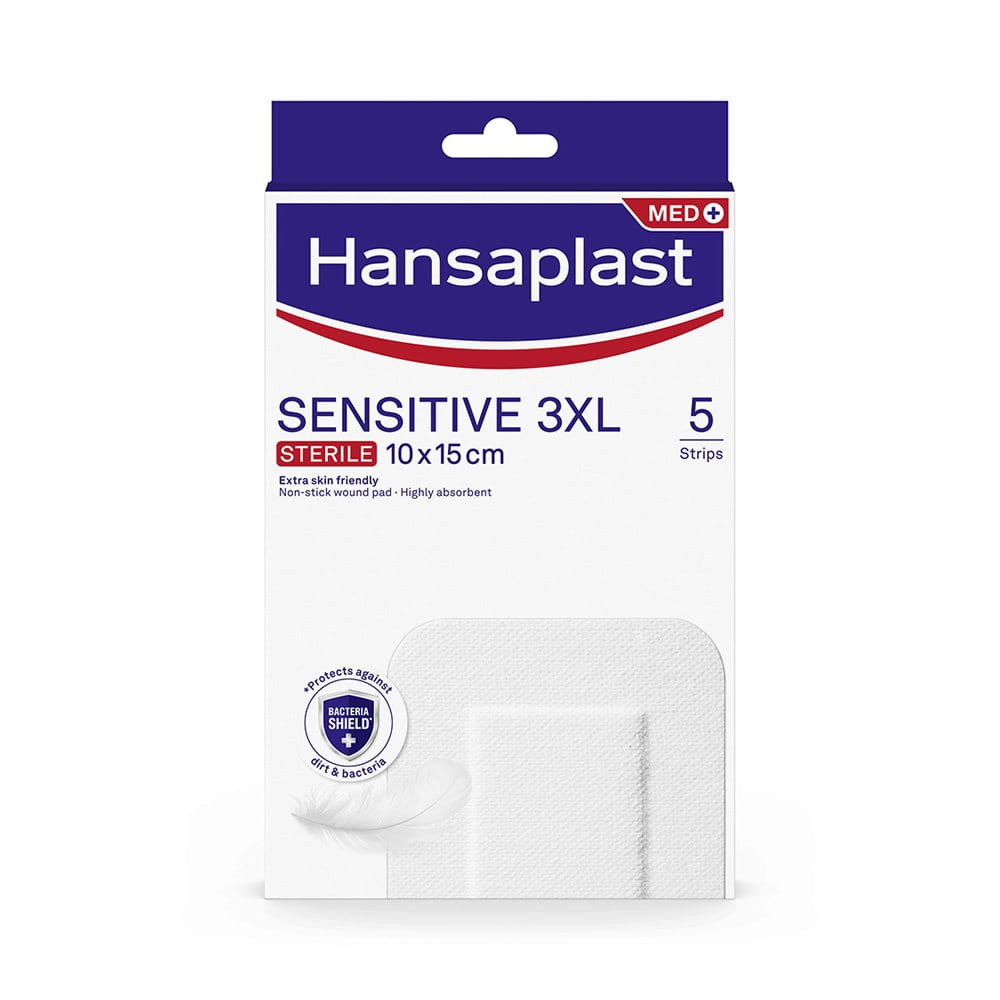
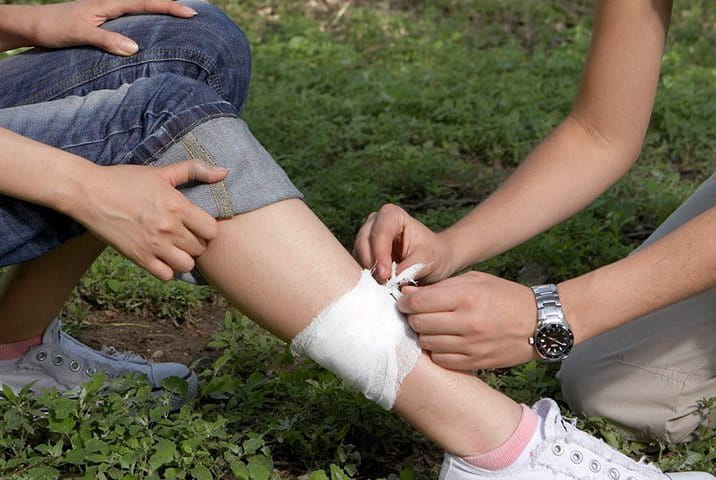
⦁ Once cooled, cover the burn with a dressing. Hansaplast Sensitive dressings are gentle on the skin, making them ideal for burns. They provide cushioning and protection while allowing the skin to breathe, which supports healing. Hansaplast Waterproof dressings are great for keeping your burn clean and dry, especially when showering or during daily activities. Both types help protect the wound from dirt and bacteria, reducing the risk of infection and promoting faster recovery.
⦁ Do not apply supposed home remedies such as butter, toothpaste or egg, as these can do more harm than good and lead to complications such as infection.
⦁ If possible, raise the affected area, as this may help to reduce swelling.
Should you cover a burn blister or let it breathe?

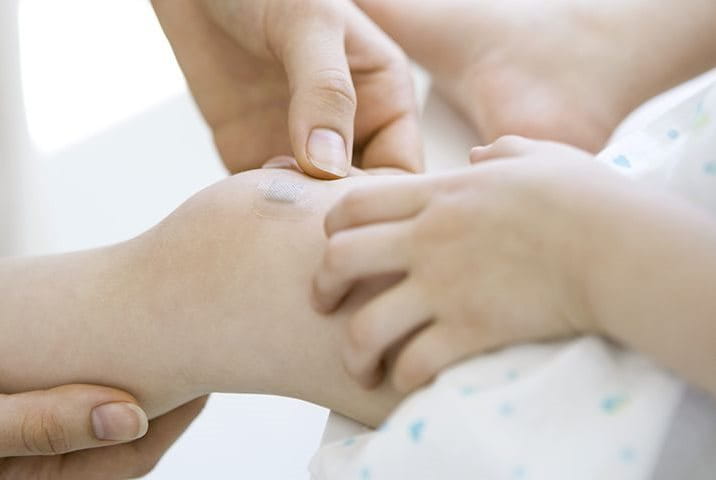
If your burn blister has burst, don't peel off the detached skin. Allow the fluid inside to drain and wash it with mild soap and water. Cover the blister and the area around it with a dry, sterile burn dressing to protect it from infection until it heals.
Hansaplast dressings protect burn wounds by providing a sterile barrier against bacteria and other contaminants, reducing the risk of infection in the open wound left by a burn blister. These dressings create an optimal healing environment by maintaining the right level of moisture around the wound, which speeds up the healing process.
They are designed to be comfortable to wear and minimize pain by cushioning the wound and providing protection from friction and pressure. Learn how to dress your wound.
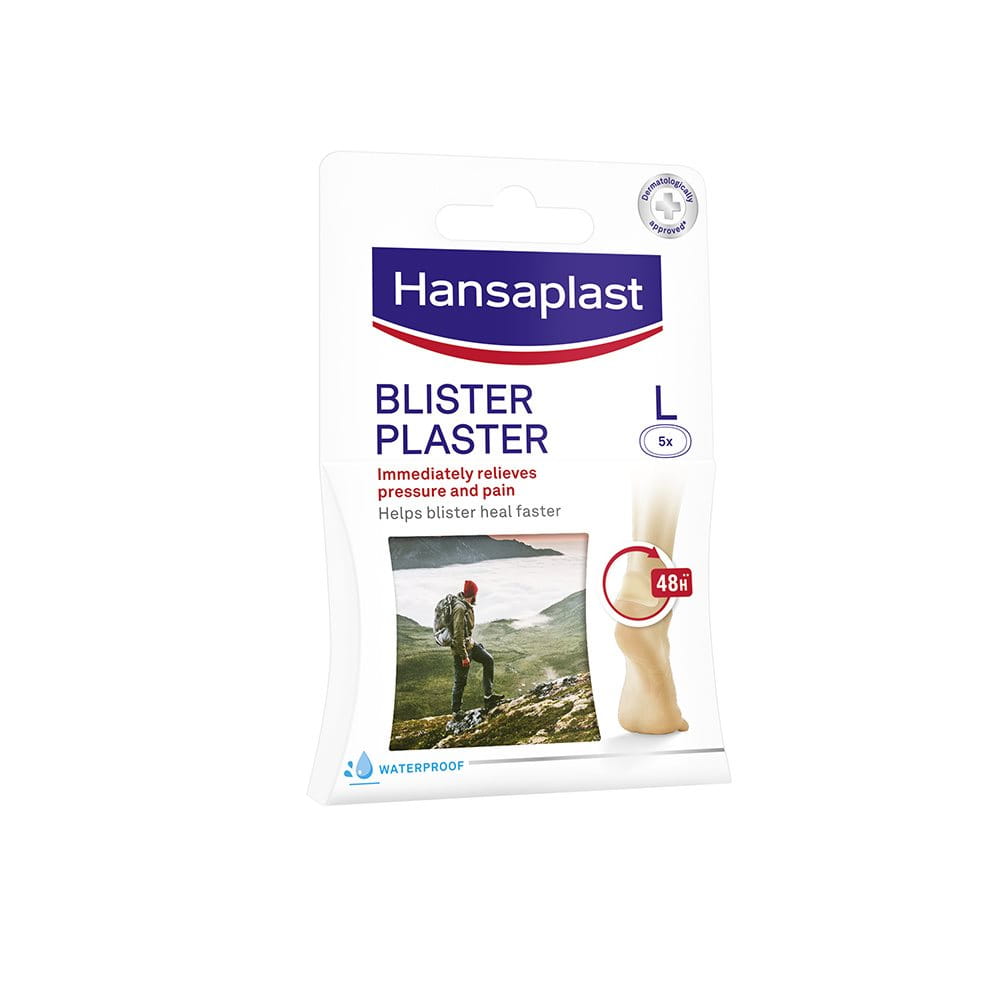
Hansaplast Waterproof Dressings are available to allow you to carry out everyday activities involving water without having to worry about your wound. Their waterproof film makes them ideal for washing, showering, bathing and swimming.
Hansaplast Sensitive Dressings are available for extra skin-friendly wound protection. They are very gentle on the skin and painless to remove.
How long should you keep a burn covered?
This depends on how fast the burn heals. Change the burn dressing daily and check the burn for signs of infection. If the burn is healing well after a few days, dressing changes may only be needed every three to five days. Burn dressings should be changed immediately if the wound starts to smell or become painful.
When to go to the hospital
⦁ Large burns bigger than the size of the affected person’s hand.
⦁ Deep burns of any size that have caused white or charred skin.
⦁ Burns in critical parts of the body such as the face, neck and groin.
⦁ Shows signs of infection such as redness, swelling, bad odour and discharge.
How to prevent burns and scalds
Preventing burns and scalds in the kitchen
Most of them happen in the heart of the home – the kitchen. These simple tips can protect you and your family:
⦁ Always stay in the kitchen while food is cooking. Don’t get distracted by phone calls, someone calling from another room, etc.
⦁ Wear protective oven gloves when taking something out of a hot oven.
⦁ Turn pot and pan handles toward the back or centre of the oven so that they cannot be knocked over, because steam can easily scald your wrists and hands.
⦁ Place hot liquids like soup, coffee or tea away from the edges of worktops and tables so that children cannot tip them over.
⦁ Keep items such as dish towels, plastic bags, and long sleeves away from the heating surface. Never cook while holding a child or pet.
⦁ Keep small children and pets away from the front of the oven.
⦁ Never warm baby bottles in the microwave; they may heat unevenly and can burn your baby’s mouth.
⦁ Place a fire extinguisher in or near the kitchen.
Preventing burns and scalds in the bathroom
⦁ Never leave a child alone in the bath.
⦁ Ensure your bath's hot tap has a thermostatic mixing valve fitted to control the temperature.
⦁ Put cold water into the bath before adding hot water.
⦁ Use your elbow to test the temperature of the water before you put your baby or toddler in the bath.
Preventing burns and scalds around the home
⦁ Test smoke detectors once a month.
⦁ Keep exits clear.
⦁ Use electricity safely. Turn off and unplug electrical appliances, such as curling irons, unless they are designed to be left on.
Burns: FAQs (3)
-
How to manage pain from burns and scalds
For immediate pain relief, cool your burn under cool running water. For long-term pain management while your burn heals, consider taking over-the-counter painkillers like ibuprofen and paracetamol. -
Why is my burn throbbing?
Throbbing sensations in injuries, including burns, are due to inflammation and nerve irritation as the body’s immune system responds to the injury and begins healing. Depending on how deep the burn is, the body’s response will be greater, and the throbbing sensation may be stronger. -
Will my burn leave a scar?
That depends on the degree of your burn and how deep it is. First-degree burns don’t tend to leave scars, but second and third-degree burns go deeper into the tissue, leading to discolouration and changes in texture. Learn more about scars here.
For further information about Hansaplast products, please contact us at Hansaplast@Beiersdorf.com.