
Read our article to learn how to treat skin burns and hair straightener burn on neck to promote optimal wound healing and prevent the risk of scarring.
How do you treat a burn from a curling iron?
Even when fully focused on the task, an accidental slip of the hand will do the same damage. It is best to be as careful as possible when handling scalding hot equipment, such as a hair straightener or curling iron, which can burn your neck, shoulders, hands, and legs.
Discover the step-by-step burn treatment routine to promote optimal healing, minimize the risk of infection, and prevent further scarring.
Step 1: Unplug your curling iron or hair straightener
Step 2: Cool the burn wound down
Ice is not advised on wounds, as it is too cold for the skin and could worsen your wound or develop into an ice burn. Running water is also not advised, as the pressure can worsen the wound.
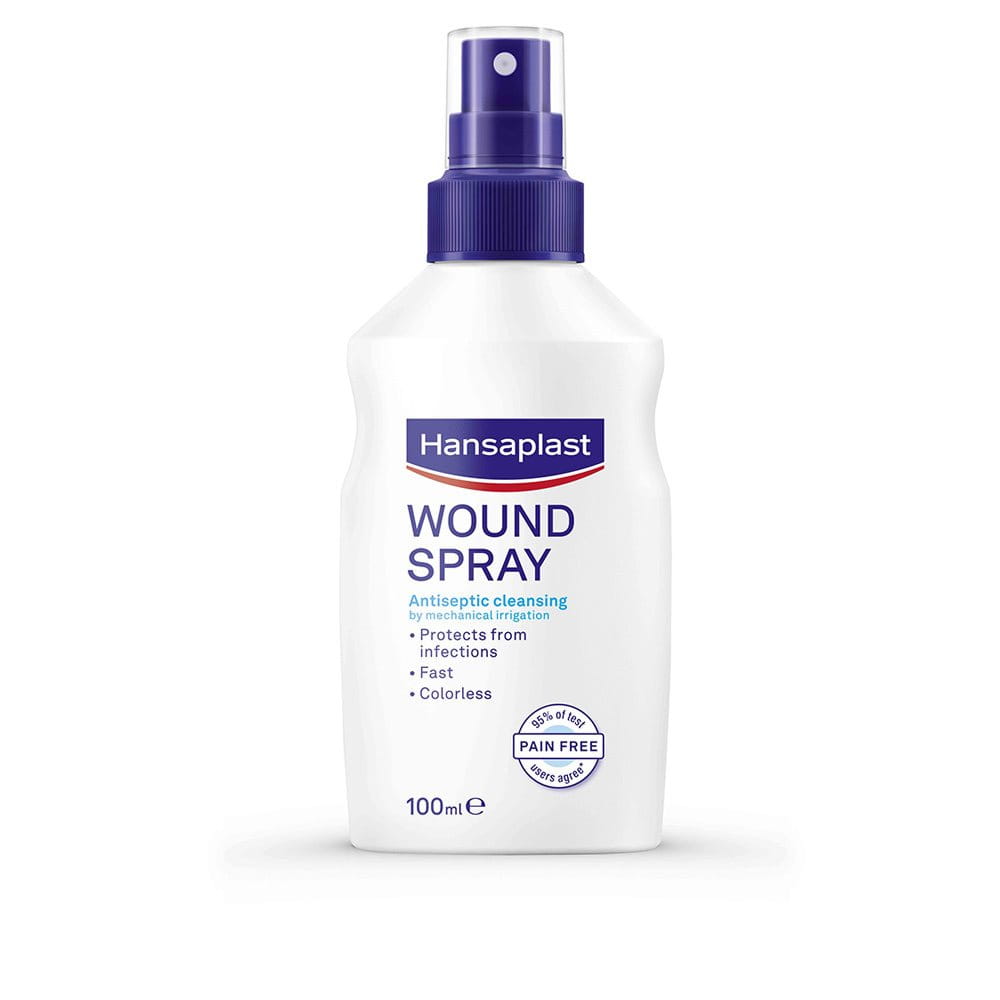
Step 3: Clean the wound using Hansaplast Wound Spray
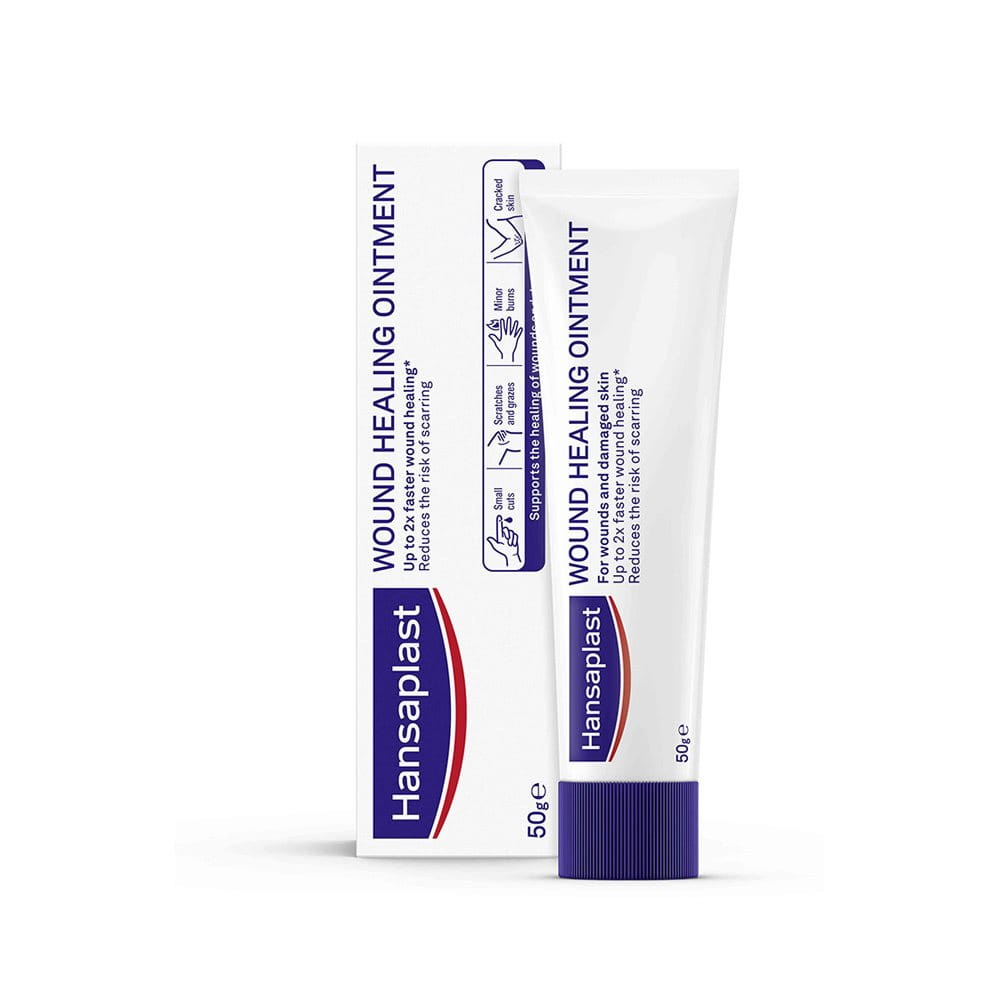
Step 4: Apply Elastoplast Wound Healing Ointment
Reapply the ointment 2 to 3 times daily or whenever the area feels dry. If the area becomes particularly dry or irritated, you may apply it more frequently.
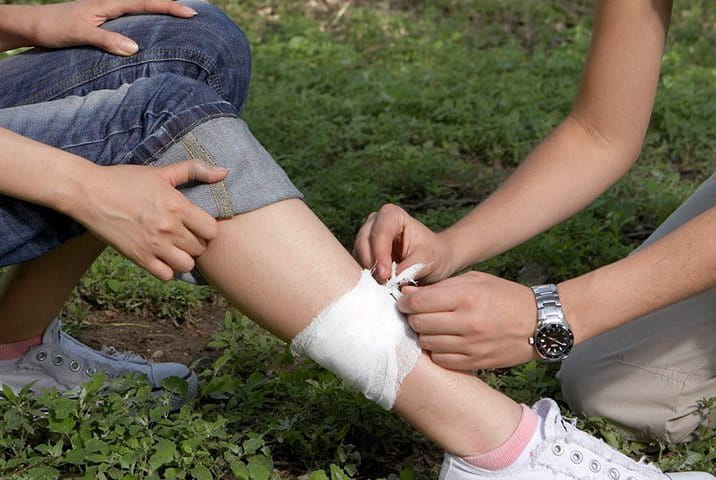
Step 5: Protect your burn wound
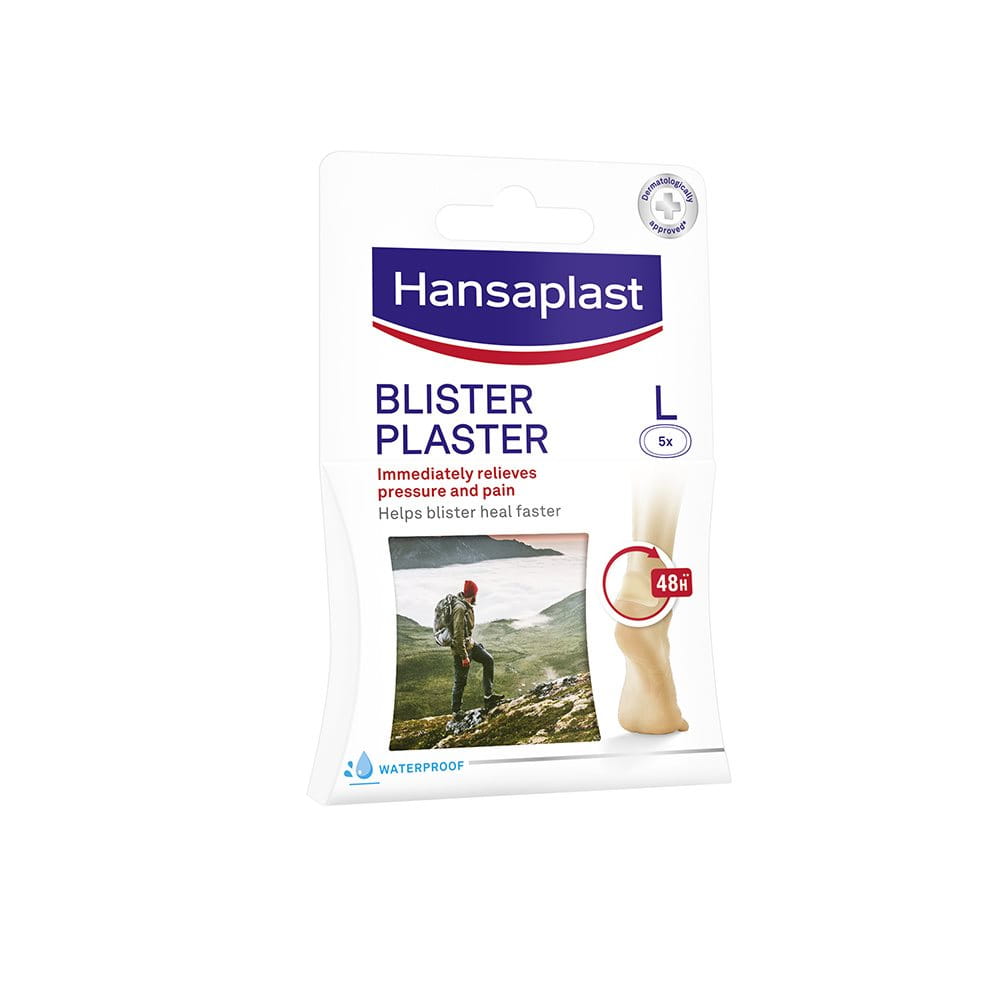
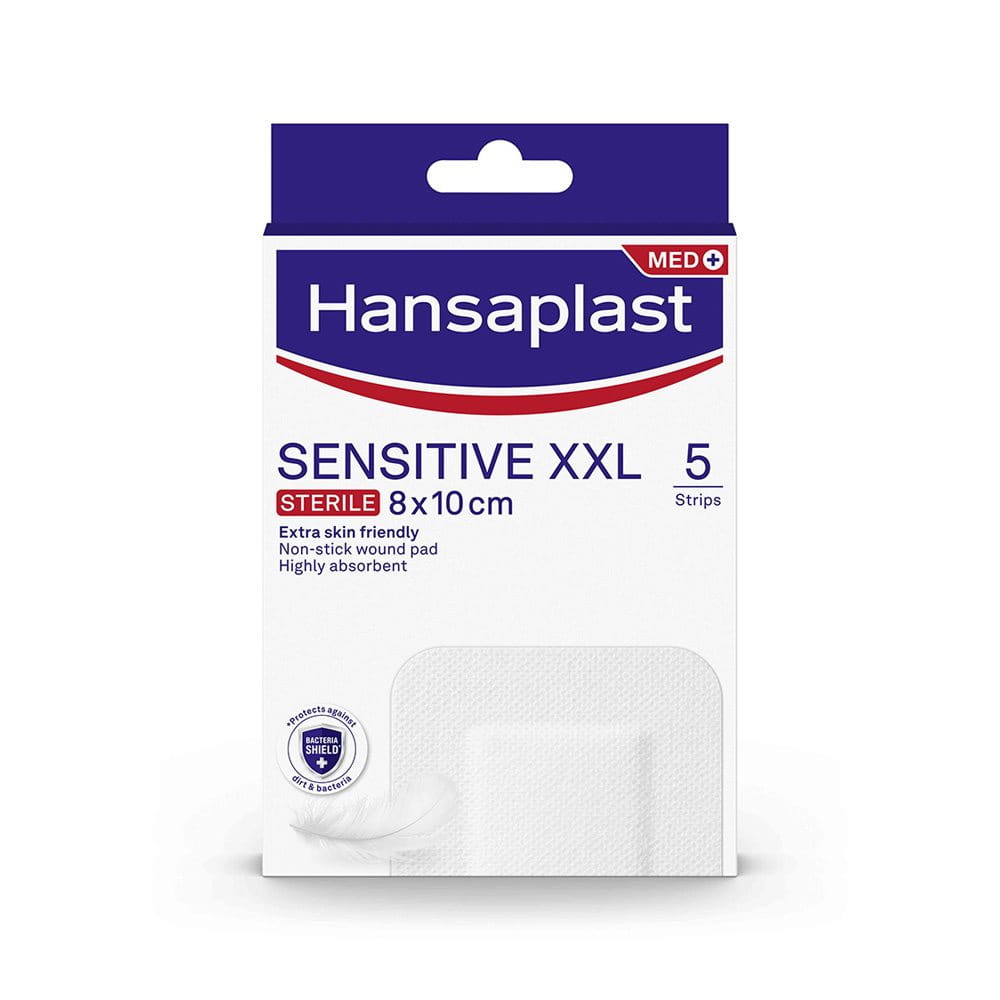
If you have a larger burn, make sure it is protected from dirt and bacteria with the Hansaplast Sensitive Dressings XXL to prevent infection. This ensures the wound from hair straightener burn on neck can heal, dry, and recover without interference.
Step 6: Look out for potential signs of infection

If the blisters break, clean the area with water, apply Hansaplast Wound Healing Ointment, and cover it with a dressing.
Types of burns from a curling iron
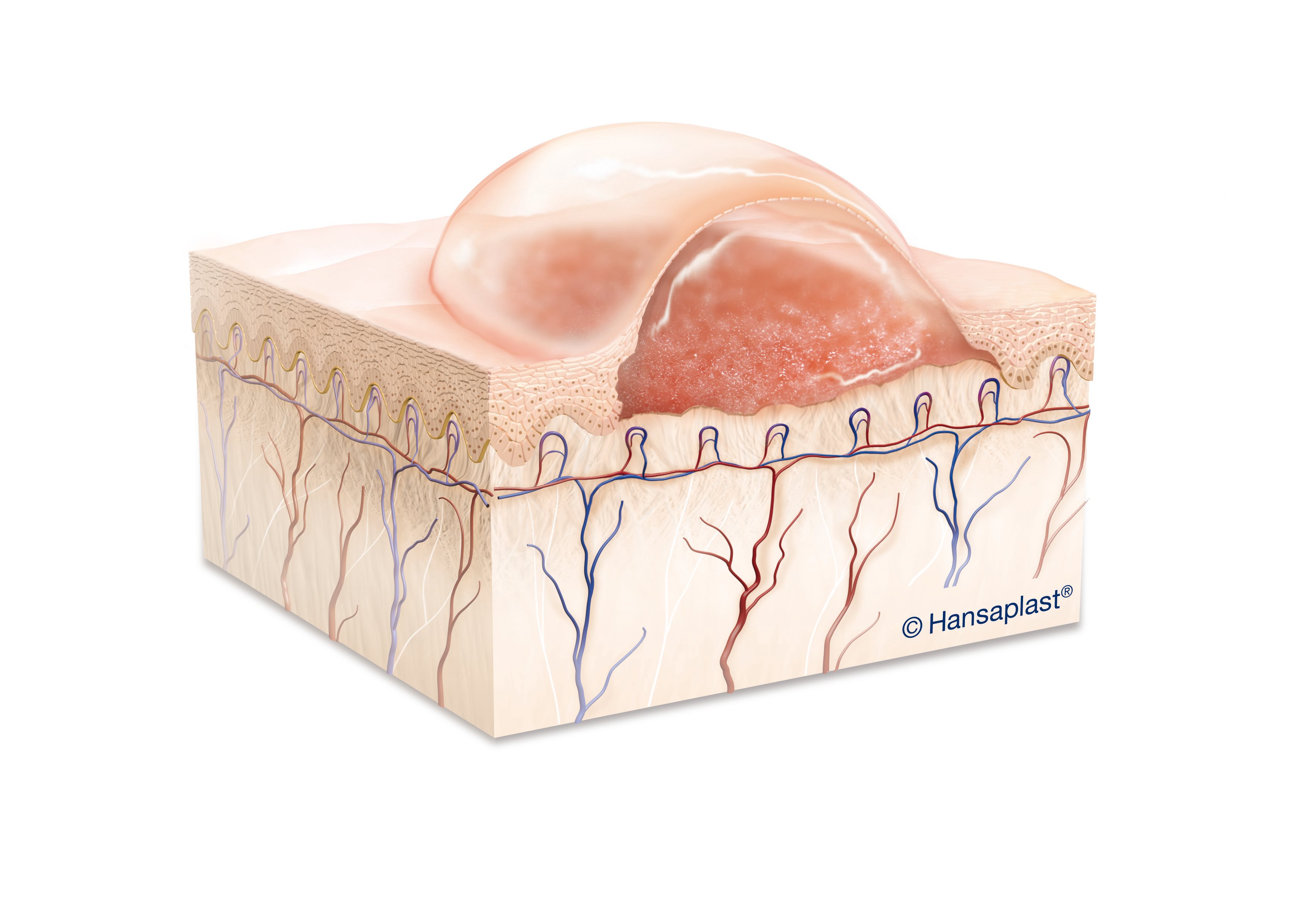
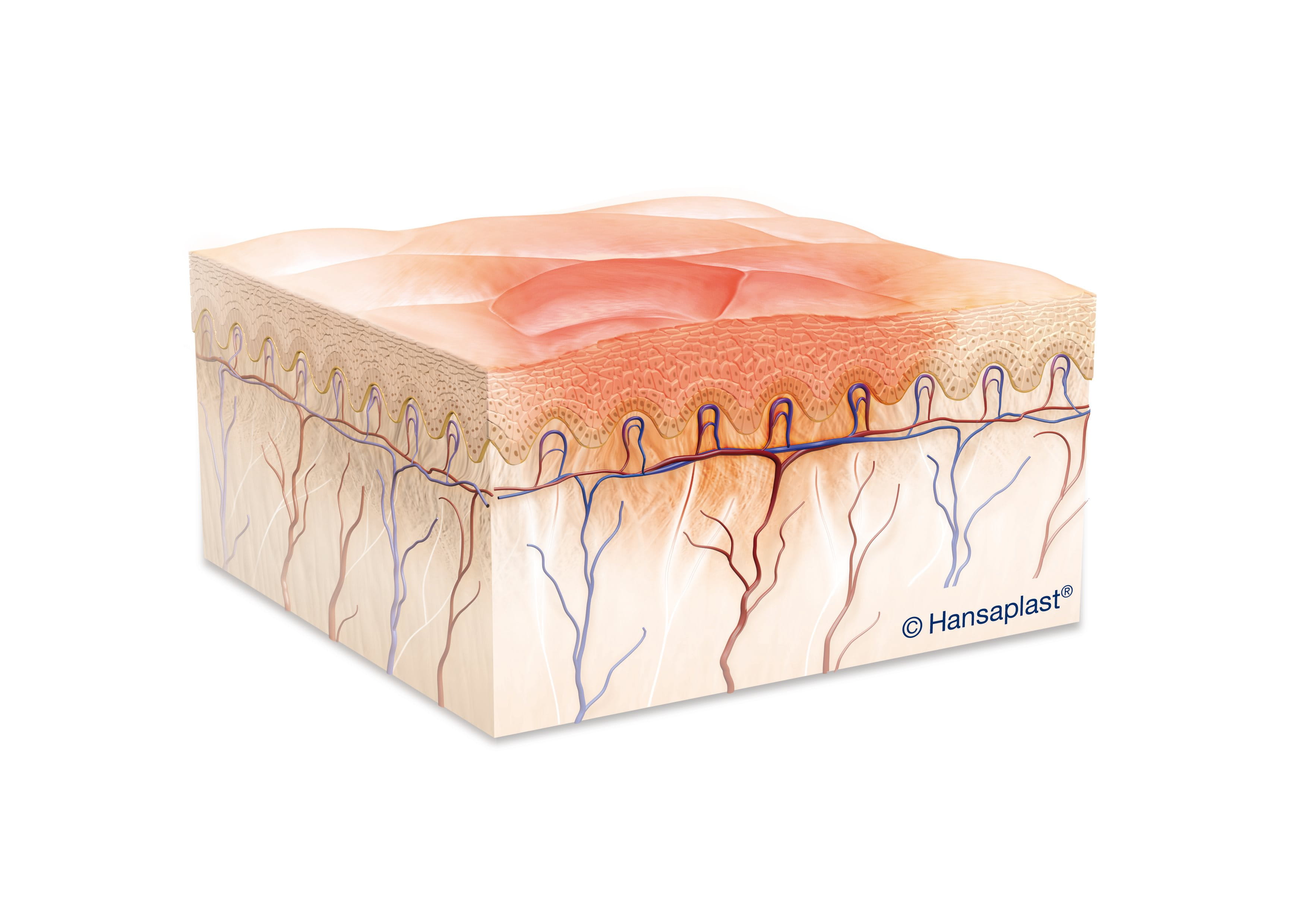
First-degree burn

Your skin will likely turn red, feel painful, and be slightly swollen. However, this burn typically does not develop into blisters. First-degree burns usually heal within a few days with proper care.
First-degree burns can occur if the skin is in contact with a low-temperature heat source for an extended period of time. Even if the curling iron or hair straightener isn't at its highest setting, prolonged contact with the skin can still result in a first-degree burn.
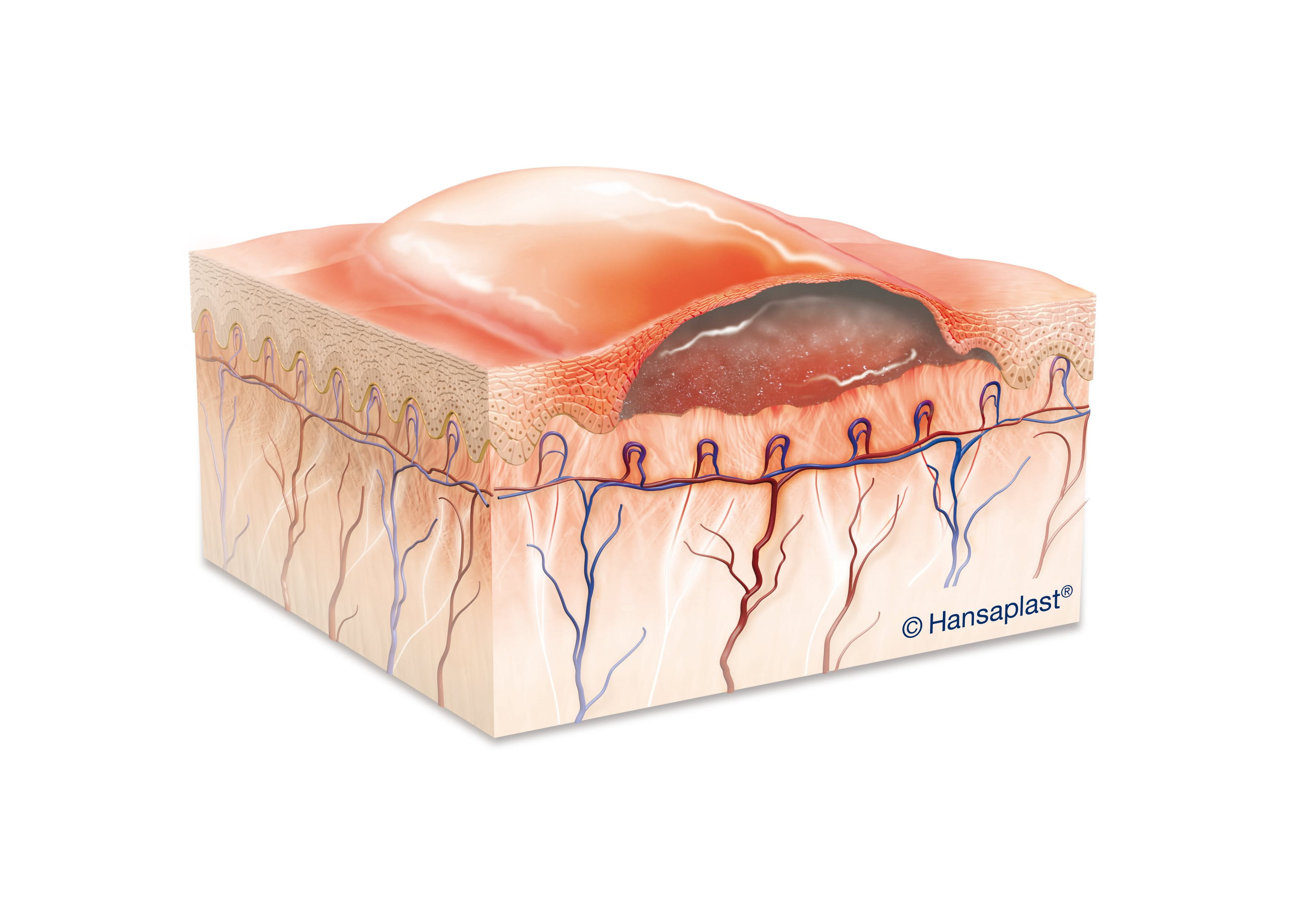
Second-degree burn

These burns can be significantly more painful than a first-degree burn, and they may become heavily swollen and develop blisters. Healing takes longer and may require more intensive care to prevent infection and scarring.
Third-degree burn
For further information on different types of burns, learn more about how to treat burns.
Curling iron burns: FAQs (4)
-
How long do straightener/curling iron burns last?
Curling iron burns, as well as hair straightener burns, typically heal in a matter of days to weeks, depending on whether an optimal wound healing routine was followed. For deeper third-degree burns, however, the burns should be checked by a medical healthcare professional. -
Can I cover the curling iron or straightener burn with make-up?
It would be advised not to apply makeup over the wound while it is still in the process of healing, as it will become susceptible to infection that may lead to permanent scarring. If you did want to apply makeup, it would be best to only do so when the wound is no longer raw or completely healed. -
Should I apply sunscreen to the straightener/curling iron burn?
Sunscreen is typically recommended for burn marks, but it is also best to be applied all over the body. This is to help avoid instances of hyperpigmentation as well as protect the sensitive skin on the wound and around the rest of your body. -
How do you heal a hair straightener burn on neck fast?
To treat a curling iron burn fast, follow these steps:
- Cool the burn: Gently apply a wet towel dipped in cold water to the affected area. Avoid using ice or running water, as they can worsen the injury.
- Clean the wound: Once the area is dry, apply Hansaplast Wound Spray to cleanse the burn and protect it against infection.
- Apply healing ointment: Use Hansaplast Wound Healing Ointment to promote faster healing and reduce the risk of scarring.
- Protect the burn: Cover the wound with an appropriate dressing.
Please note that, although these were compiled with great care, the tips and advice given on this website by no means substitute medical advice and treatment. If you have or suspect a health problem, consult a doctor and follow medical advice regardless of what you have learned on this website.
Always read carefully and follow the instructions for use or the product leaflets. For further information about our products, please contact us via email at Hansaplast@Beiersdorf.com.