
Cuts and skin grazes are an inevitable part of life. From minor kitchen mishaps to playground scrapes, they are among the most common types of injury. While often minor, cuts and grazes require proper care to prevent infection and promote healing.
How to treat cuts and grazes
Treating cuts and skin grazes consists of three main steps:
- Stopping the bleeding (depending on the size of the wound)
- Cleaning the wound well
- Covering the wound with a plaster or dressing to create an ideal healing environment
How to stop a wound from bleeding
Small cuts and skin grazes typically stop bleeding on their own or after a few minutes of pressure, as they don’t penetrate deeper than the skin. However, if your wound is deeper than the skin, follow these steps to stop it from bleeding:
- Check the wound for any foreign objects.
- If it's clear, apply direct pressure using a bandage or clean cloth (like a tea towel) for 10 minutes to stop the bleeding.
- If something is stuck in the wound, don't remove it. Instead, avoid pressing on the object and press firmly around it to close the wound's edges.
- To further reduce blood flow, raise the injured area above your head (if it's on your hand or arm) or lie down and elevate it above your heart (if it's on your leg).
- Once the bleeding has stopped, secure a fresh bandage over the initial one.
- If bleeding continues, leave the first bandage in place and add another, maintaining firm pressure for another 10 minutes.
You should see a doctor if your wound is bleeding heavily or if there are any foreign objects, like glass or splinters, deeply embedded in it.
If your wound is painful, you can take painkillers like paracetamol or ibuprofen, but aspirin should not be given to children under 16.
How to clean a cut or a graze
Properly cleaning cuts and skin grazes is crucial to prevent infection and promote effective healing. Even minor injuries can harbour bacteria, which can lead to complications if left untreated.
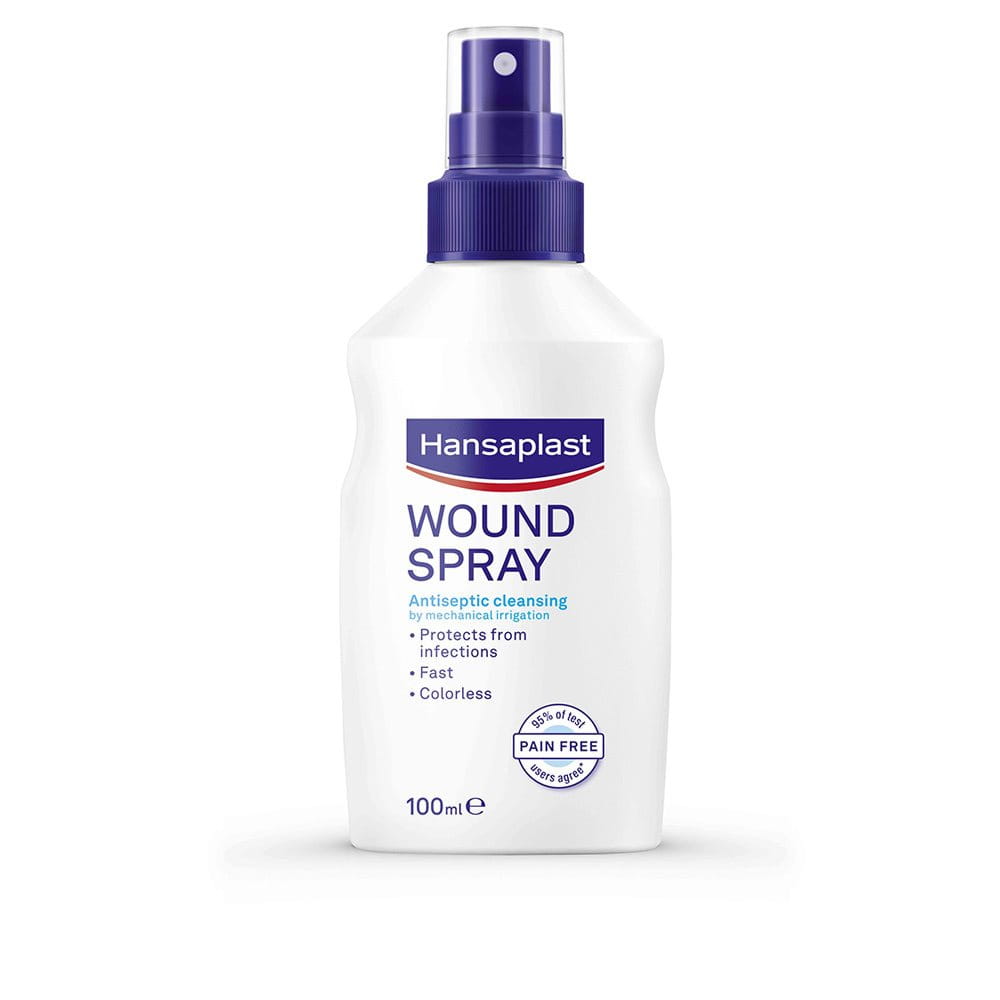
That's where Hansaplast Wound Spray is the ideal first step for treating cuts and grazes. Its gentle and effective formula provides a convenient, touch-free way to cleanse wounds, removing dirt and bacteria without causing unnecessary pain or irritation. Using this spray helps create a clean environment, setting the stage for optimal healing and helping you get back to your day quickly. Learn how to clean your wound and why it’s important to do so.
That's where Hansaplast Wound Spray is the ideal first step for treating cuts and grazes. Its gentle and effective formula provides a convenient, touch-free way to cleanse wounds, removing dirt and bacteria without causing unnecessary pain or irritation. Using this spray helps create a clean environment, setting the stage for optimal healing and helping you get back to your day quickly. Learn how to clean your wound and why it’s important to do so.
To use the Wound Spray, spray it from a distance of approximately 10cm onto the entire wound area. Repeat, if necessary, then gently pat dry the area around the wound.
How to dress cuts and grazes
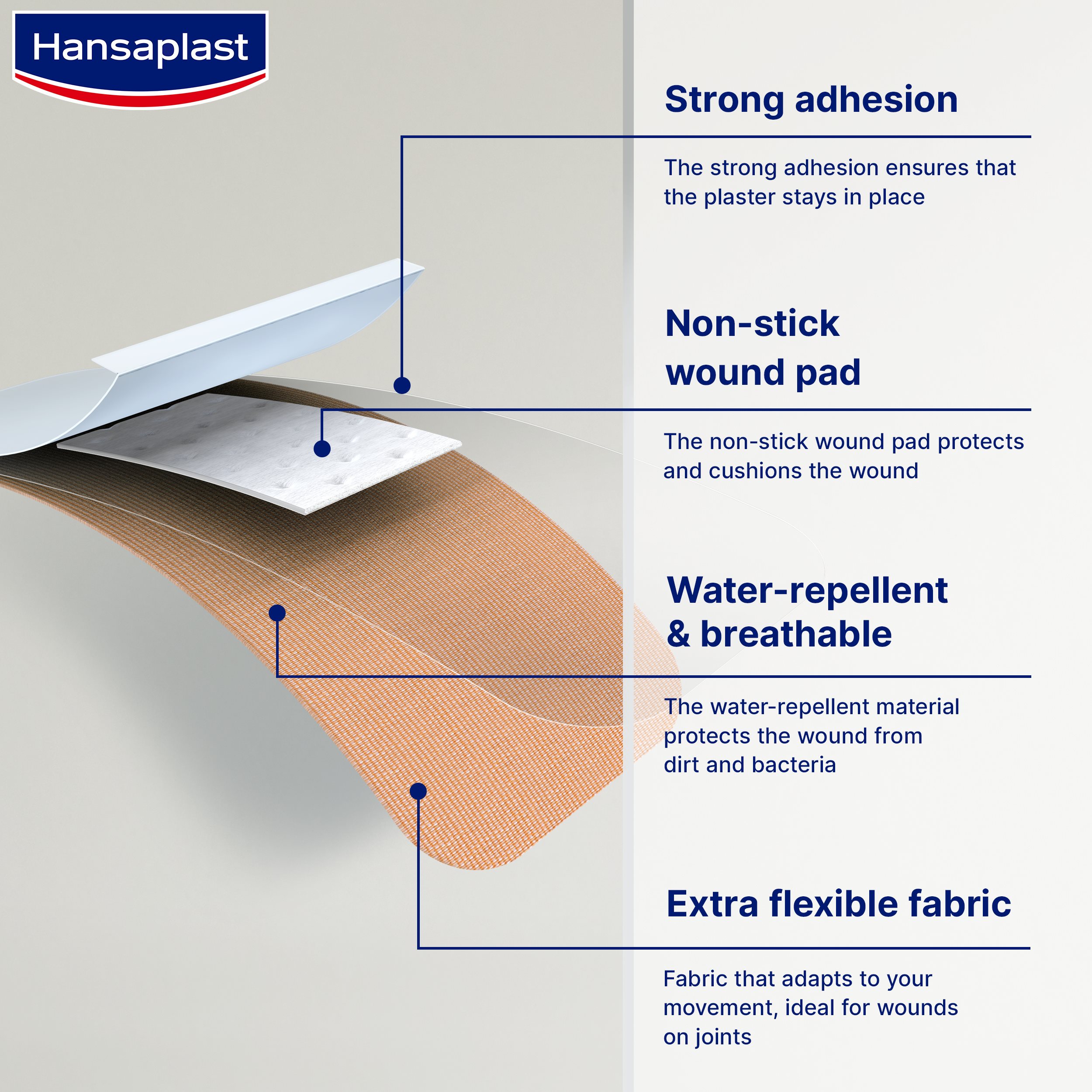
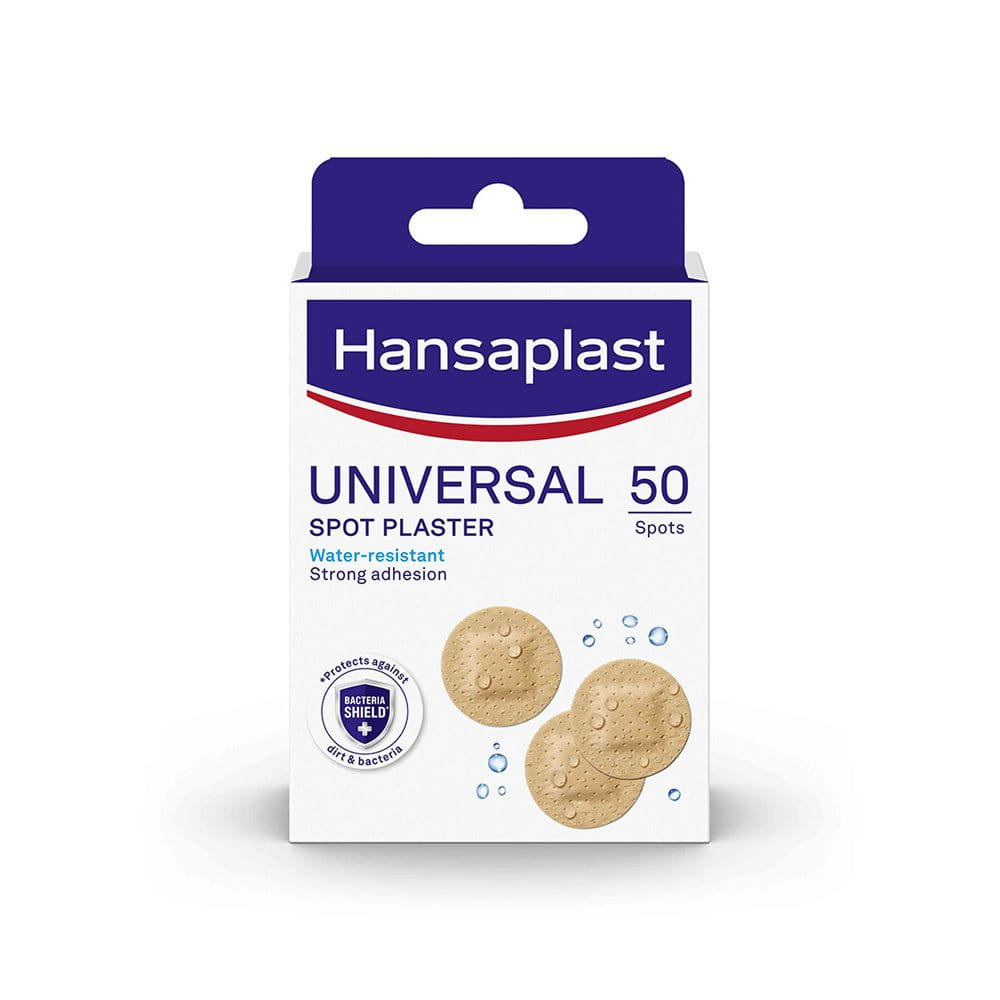
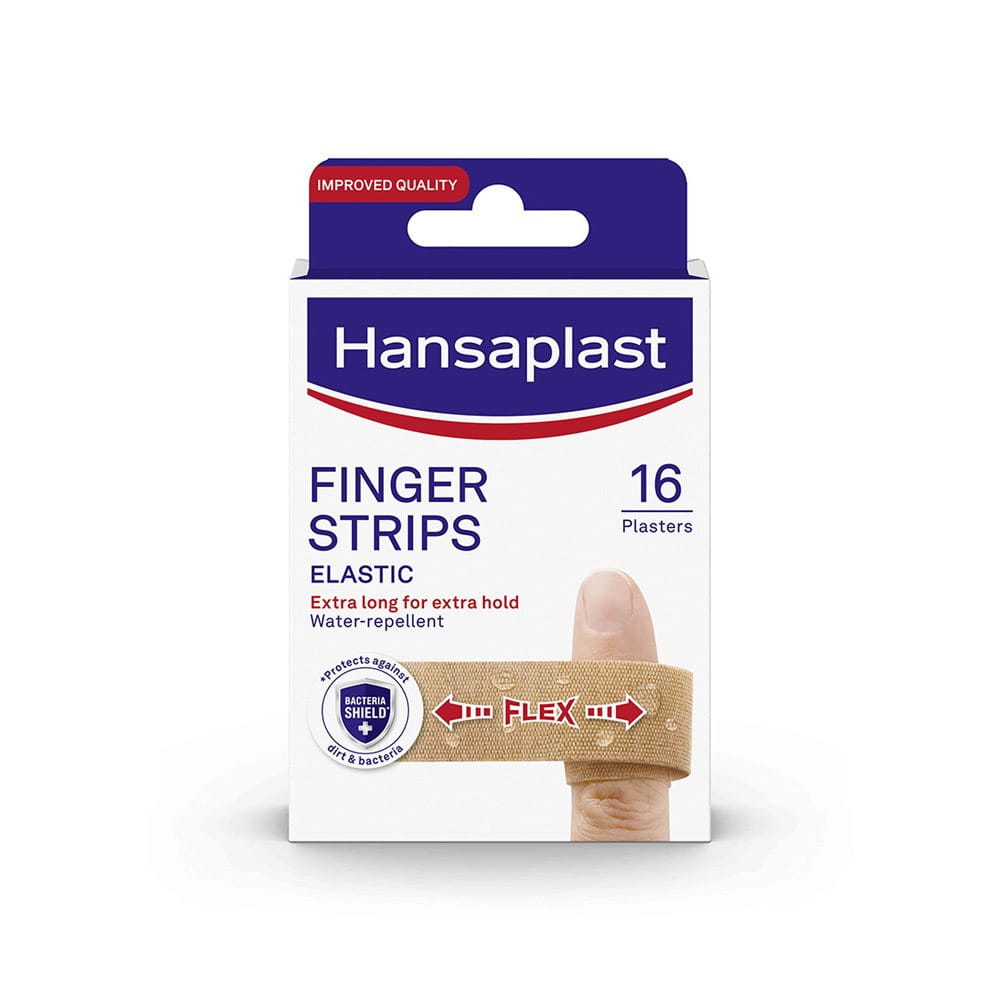
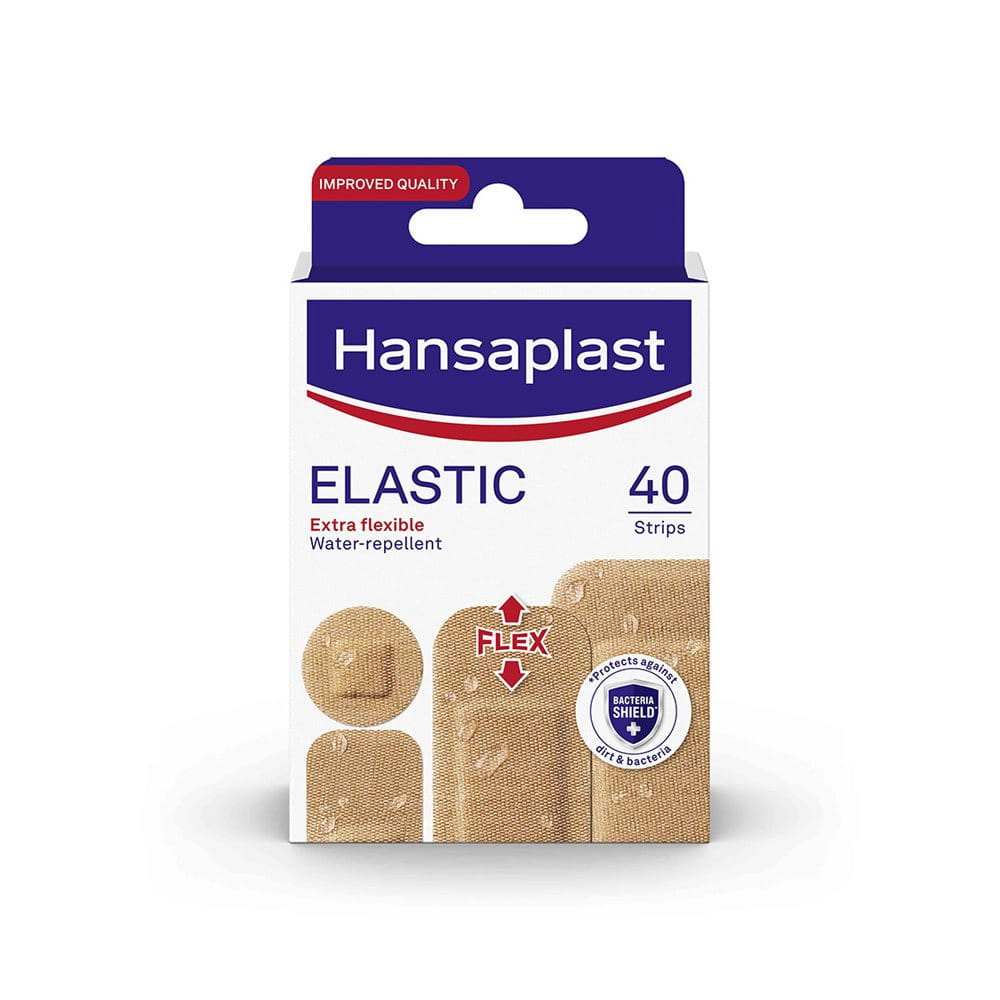
For reliable protection of minor cuts, Hansaplast Elastic Plasters are a practical solution. Their flexible fabric adapts to movement, offering strong adhesion and durable protection while cushioning the wound against external impacts.
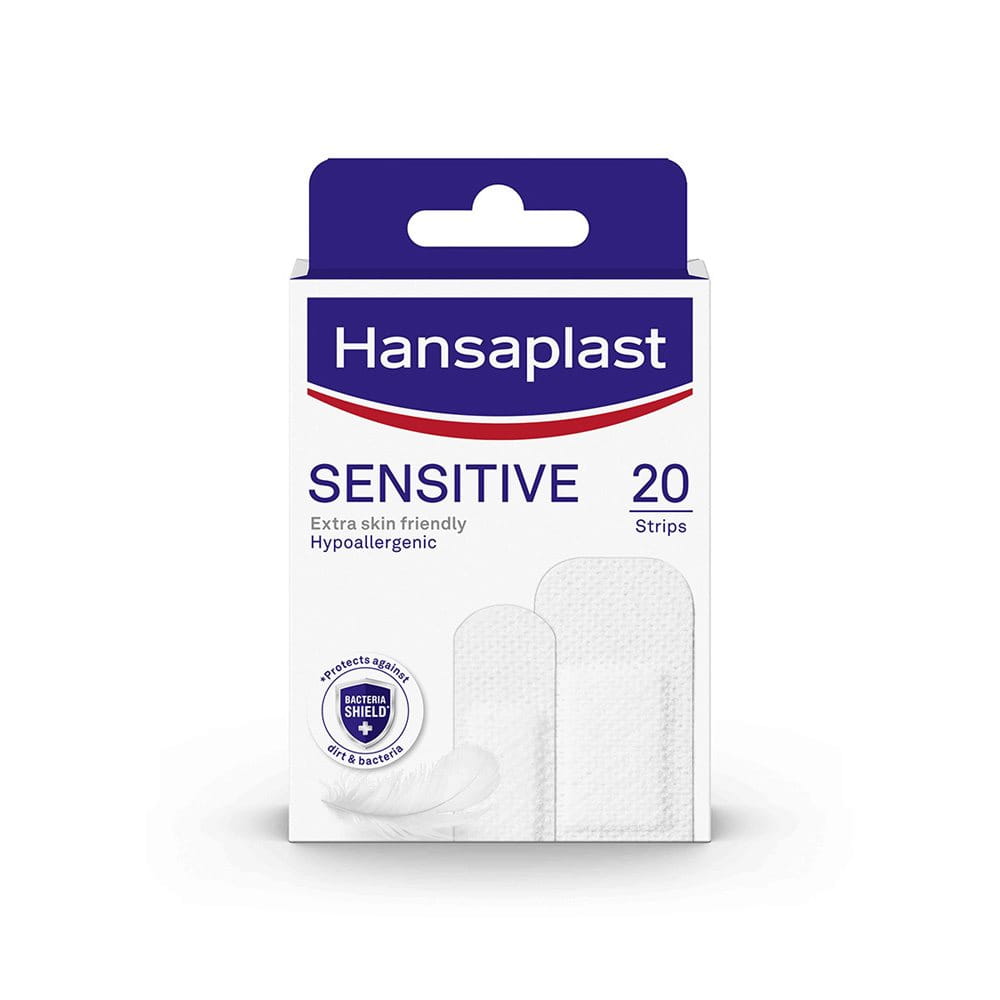
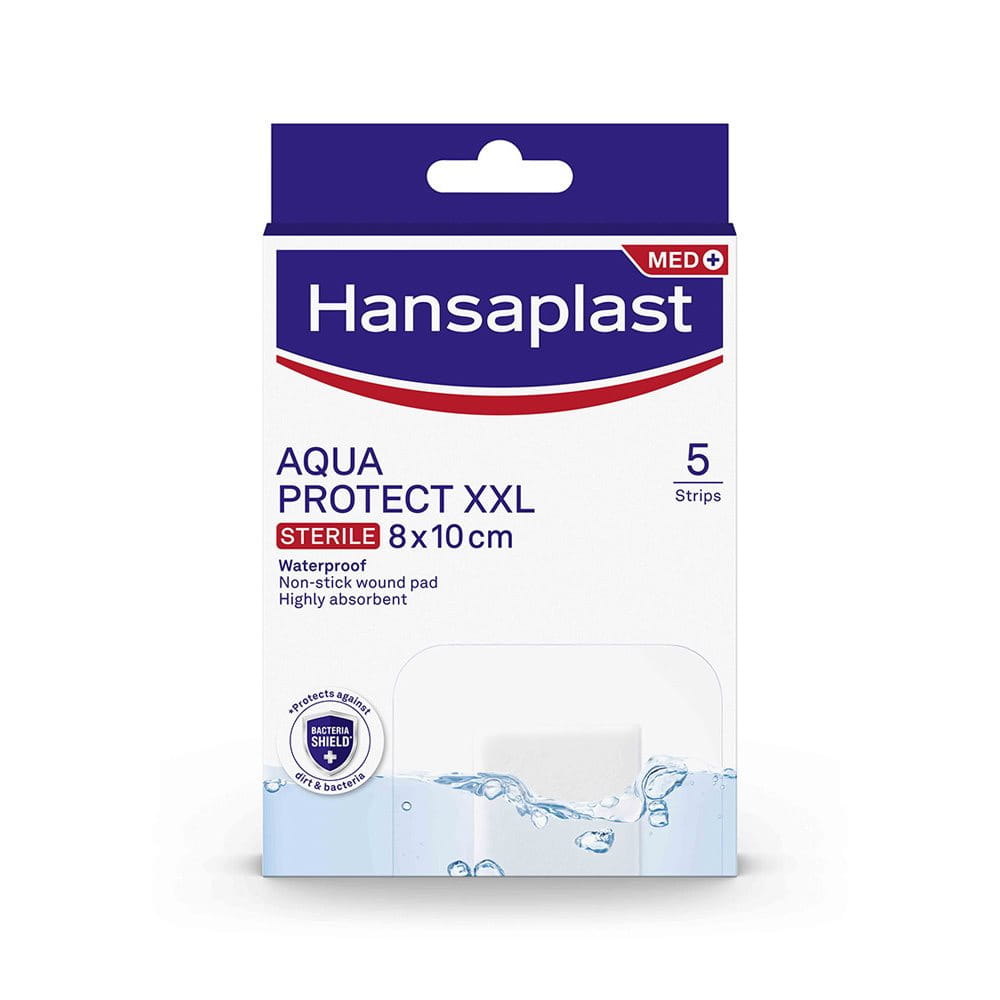
For larger grazes, Hansaplast Sensitive XXL provides extra coverage with skin-friendly adhesion. Its soft, breathable material is suitable for sensitive skin and helps protect the wound from dirt and bacteria while remaining comfortable on the skin.
How to heal grazes quickly
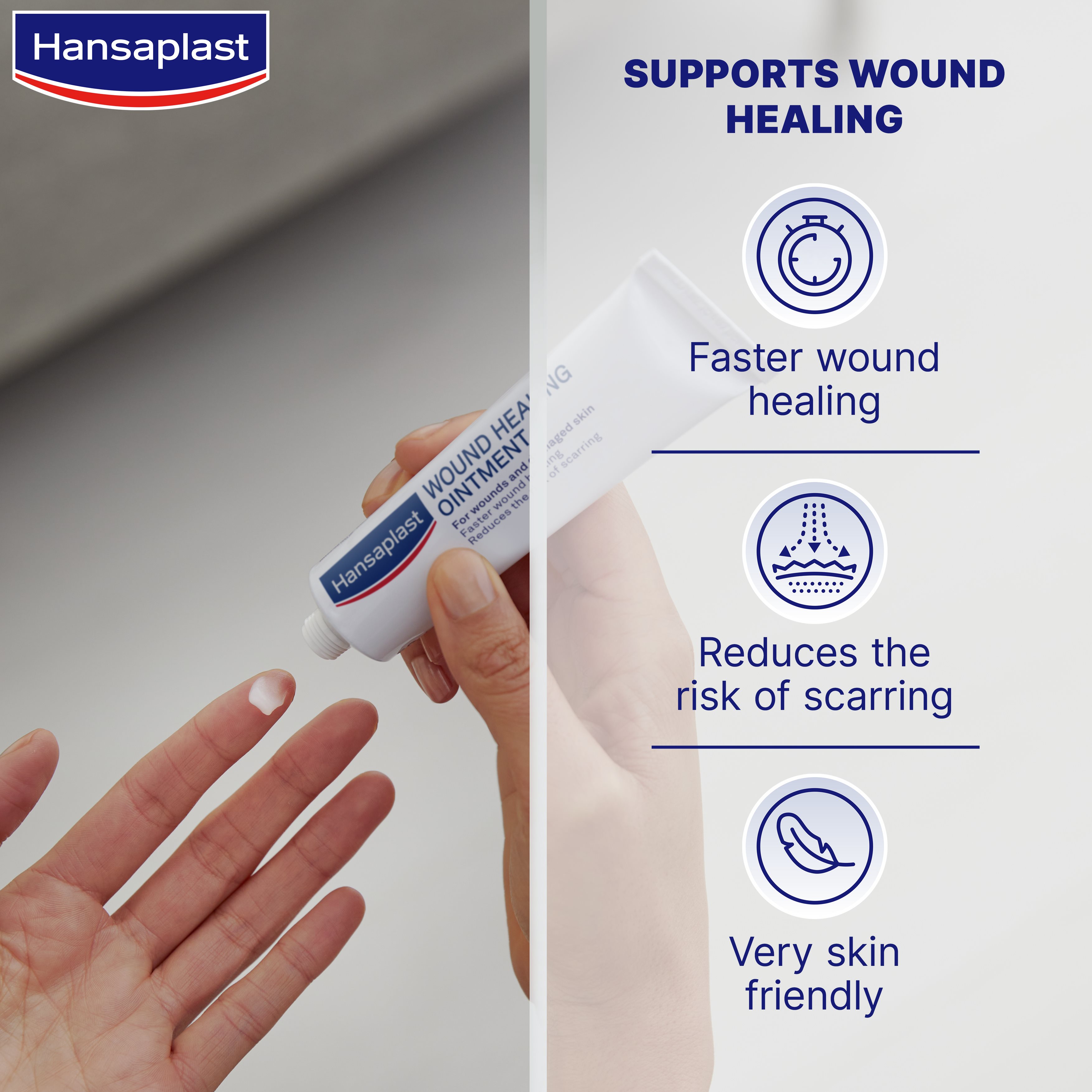
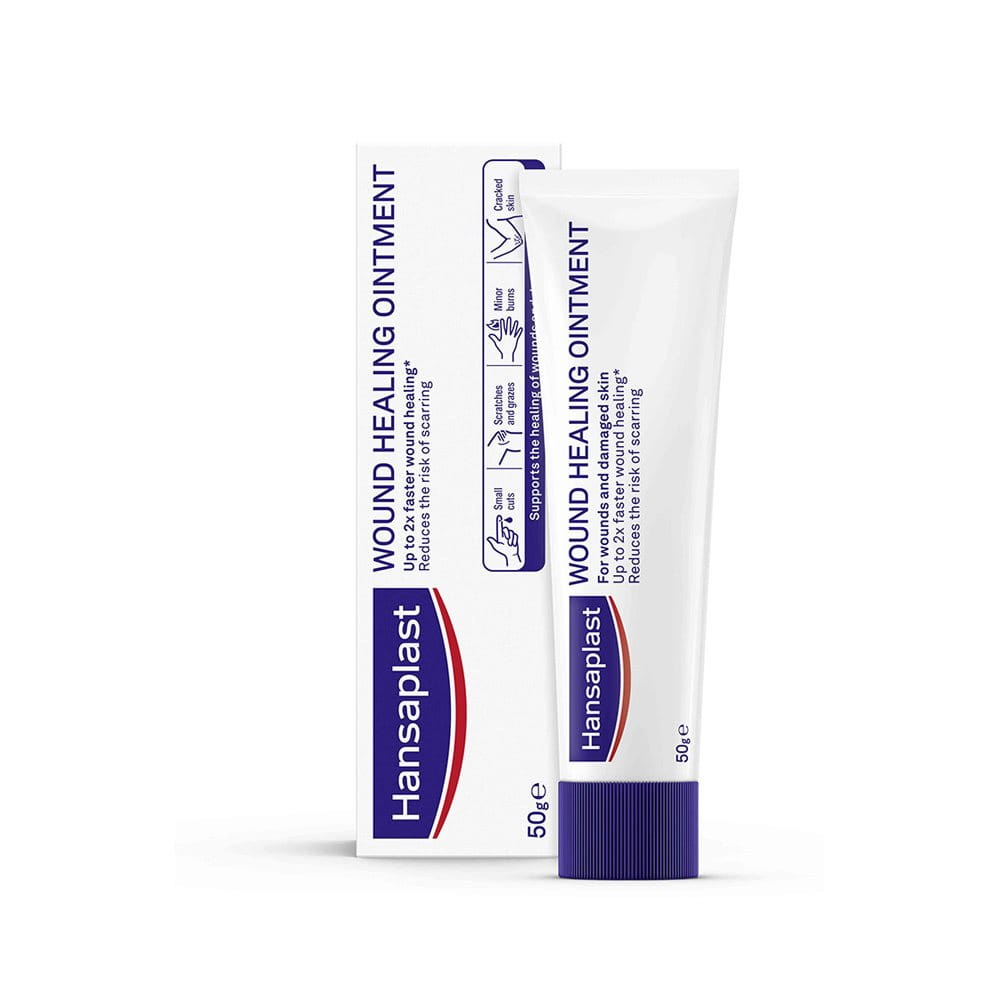
Healing times for cuts and skin grazes depend on the severity of the injury. However, you can help your cuts and grazes heal faster with Hansaplast Wound Healing Ointment, which promotes up to 2x faster healing*.
- First, gently clean and dry the wound. Then, apply a thin layer of the ointment to the affected area one to two times daily.
- Cover the wound with a Hansaplast plaster or dressing.
- Consistent, regular application is key to seeing the best results and speeding up your healing. Learn more about healing cuts.
*Compared to an untreated wound
What's the difference between a cut and a graze?
While both are minor wounds, the main difference between cuts and grazes is how the skin is damaged.
Definition of a cut
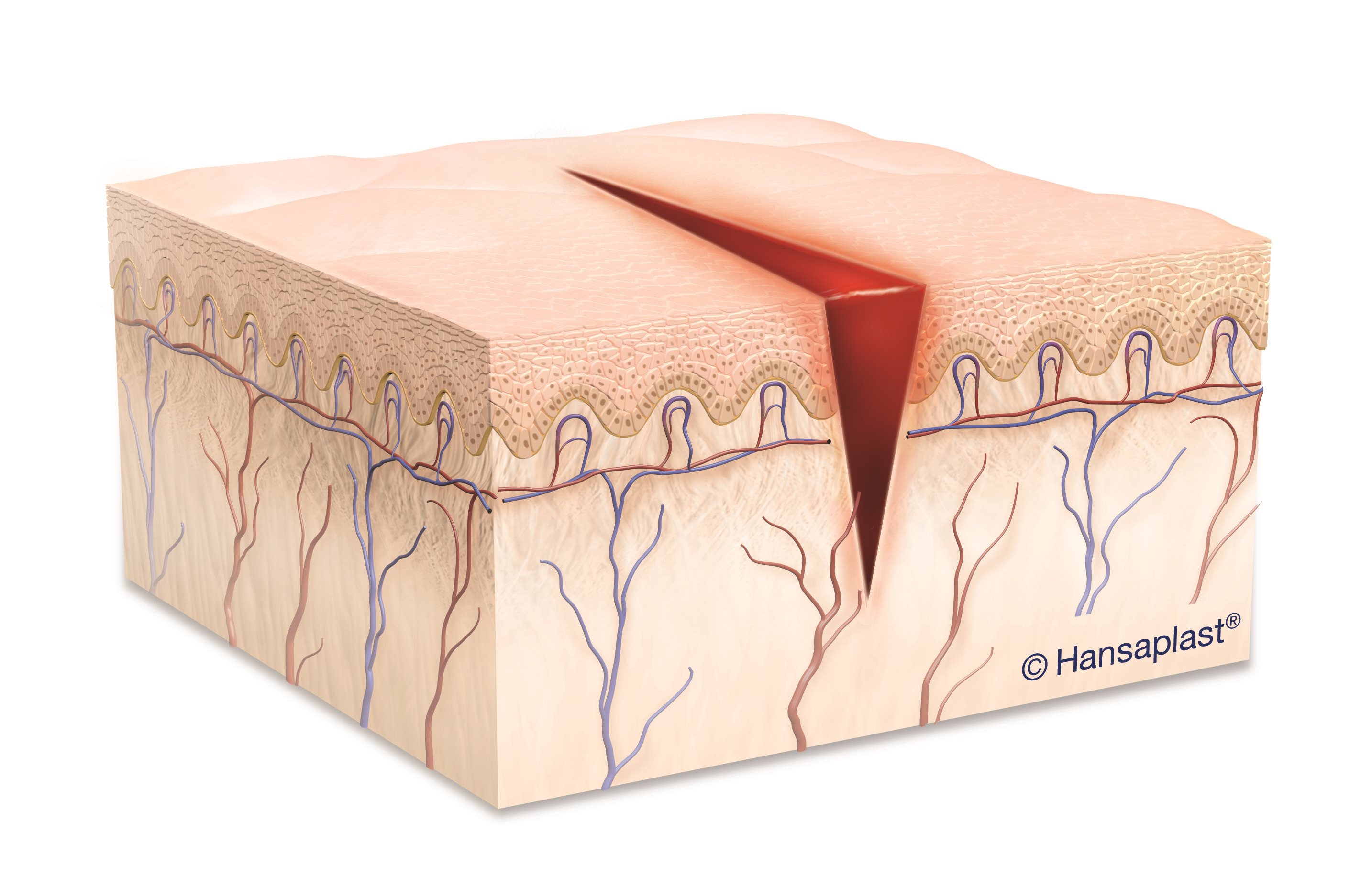
As the skin is fully broken, the wound will often bleed and have slightly gaping wound edges. Cuts can happen anywhere on the body and can leave a scar.
Definition of a graze
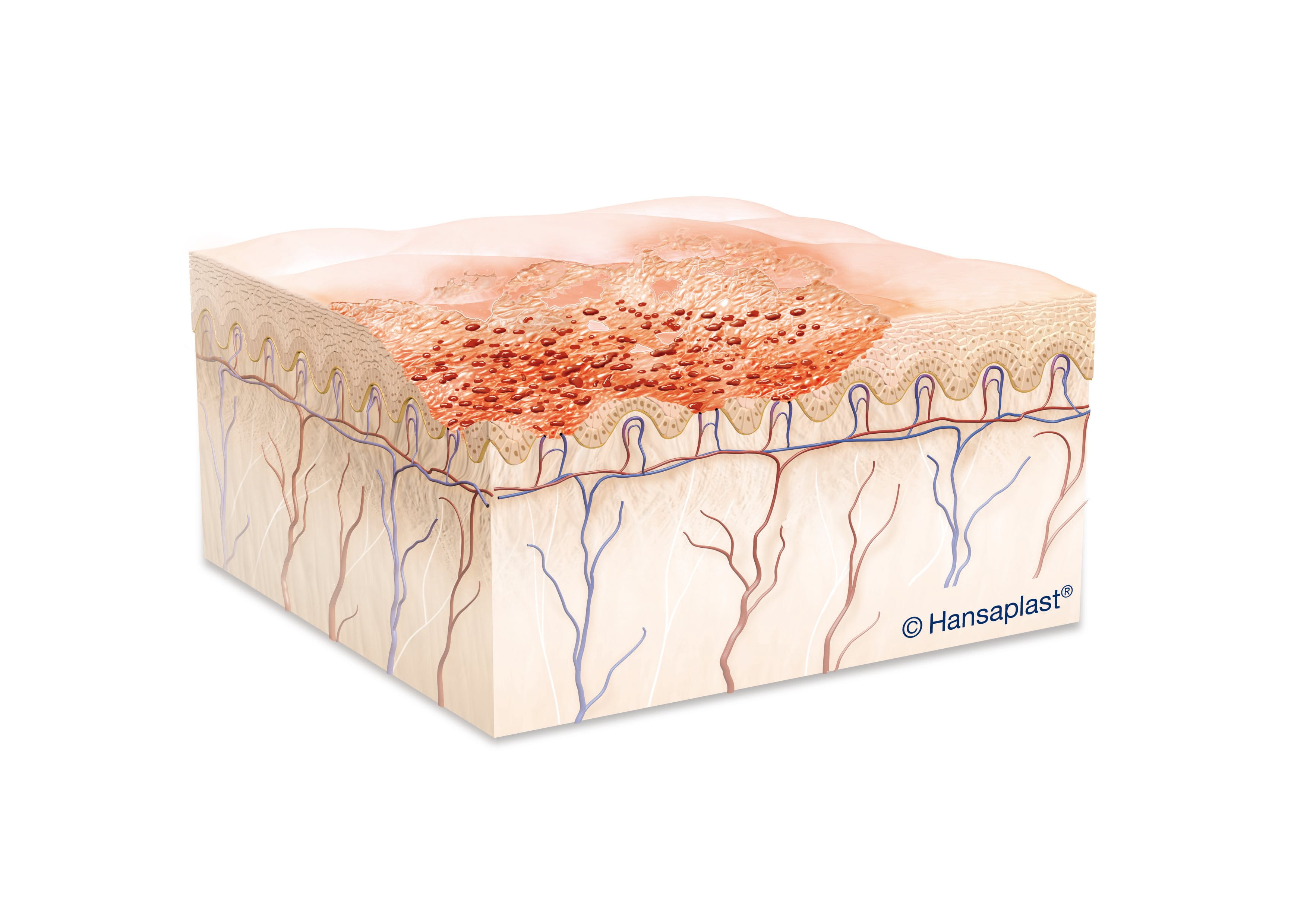
The top layer of skin can be scraped off by scratching against a rough surface, such as concrete or carpet. Abrasions can be painful since the injury often extends to the many fine nerve endings beneath the skin.
How to prevent cuts and grazes
While cuts and grazes are common injuries, many can be prevented with simple precautions. Here are some practical steps to minimize your risk of skin injuries at home, work, and during recreational activities:
- When using sharp tools, be especially careful and, if necessary, wear protective gloves.
- Pass scissors with the sharp ends pointing away from the person you are giving them to.
- Handle glass with care.
- Make sure to wear kneepads and elbow pads if you are doing sports like cycling and skating to prevent road rash.
Cuts and grazes: FAQs (4)
-
Is it better to let cuts and grazes air out?
No. It is a wound care myth that keeping minor cuts and grazes uncovered helps them to heal faster. The opposite is true. Research shows that covered wounds heal more efficiently and with a reduced risk of infection. Hansaplast products provide safe protection until the wound is completely healed. -
How long should I keep a plaster on a cut?
Wound dressings and plasters should usually be changed each day, but this can vary. -
How do I know if my wound is infected?
Symptoms may include not only pus, but also swelling, redness, heat, pain, itching or burning. You may also feel generally unwell and have a high temperature of 38 °C or above. In case of infection, the wound will need specialist medical treatment because infected cuts become more painful over time. -
When should I see a doctor?
Minor wounds should start to heal within a few days, but we recommend you contact a medical professional if you experience any of the following:
- Signs of infection
- The wound is deep and causes major bleeding
- The wound is longer than 2cm or more than 6mm deep
- In the case of an animal or human bite or contact with animal blood
- The wound is on the face
- A tetanus vaccination may be needed
Always see a doctor if the wound is deep, bleeds heavily or shows signs of infection like reddening, swelling or warmth.