
It's an age-old debate. Do you rip a plaster off quickly to get it over and done with, or should you remove it slowly to minimize the pain? Some studies have shown that a sudden, sharp shock is the best option rather than drawing it out, with people reporting less pain when the plaster is taken off quickly.
Though there’s no right or wrong way to do it, use our guide to easy band aid removal from skin to minimize any pain for you and your children.
How to remove a plaster from skin without pain
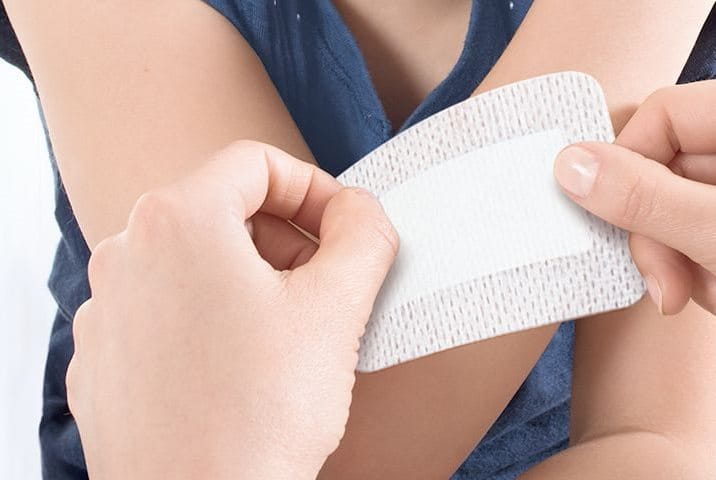
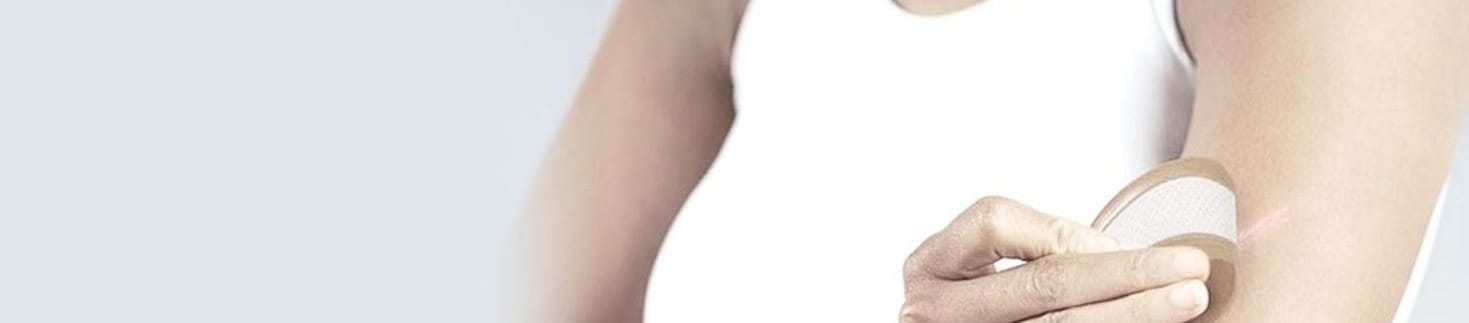
Removing a plaster with traditional adhesive can result in damage and pain due to the stripping of epidermal cells and hair. However, following these three simple steps should help with easy band aid removal from your skin without pain:
1. Grasp one edge of the plaster and gently lift the edge
2. With the other hand, place fingers on the surrounding skin and support removal by holding the skin taut
3. Gently remove the plaster, keeping it close to the skin and in the direction of hair growth
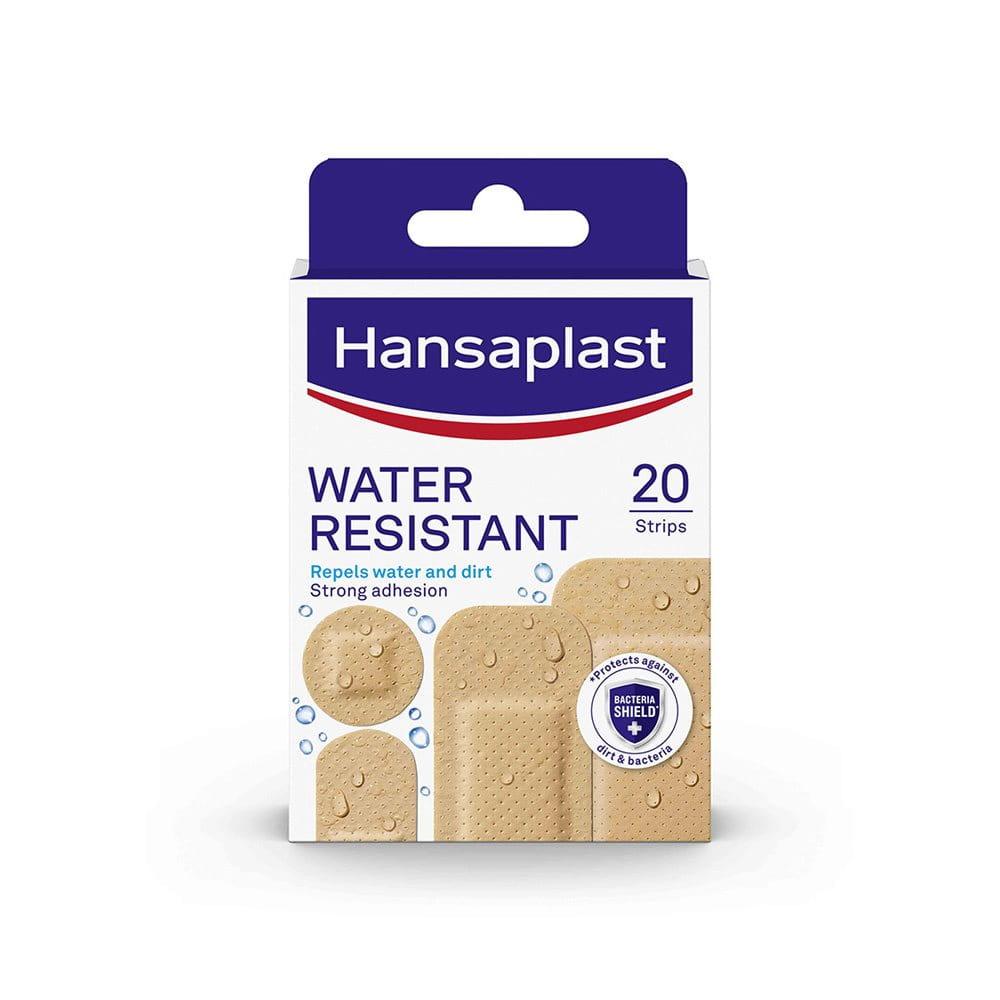
Hansaplast Sensitive Plasters are easy to remove, providing secure and skin-friendly adhesion to ensure the plaster stays in place. These plasters are the perfect solution for individuals with fragile, irritated, or sensitive skin who require extra-gentle and soft wound care.
They're also designed to help those experiencing pain or anxiety during plaster removal. The plasters are available as 20 strips in different sizes, which seal all around the wound.
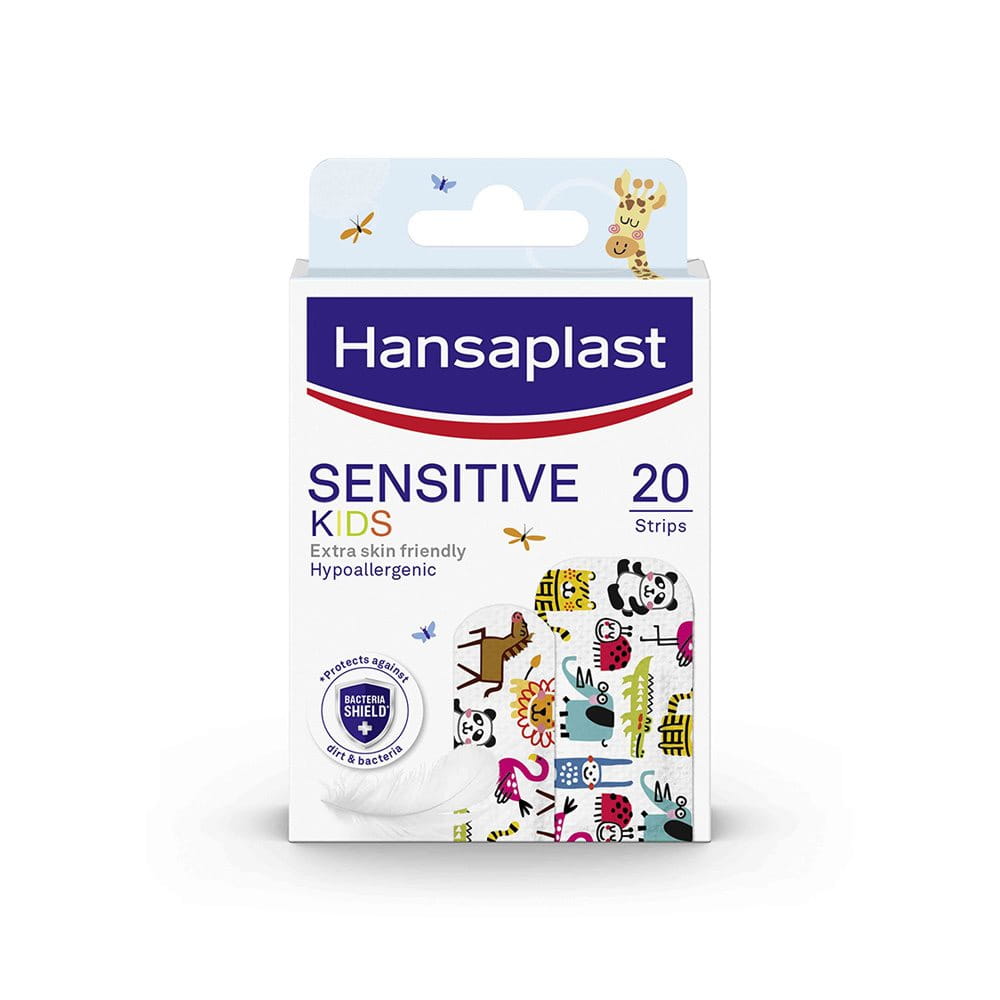
Hansaplast Sensitive Kids Plasters are also very skin-friendly and suitable for covering all types of smaller wounds. Distract and delight your little one with cute animal designs, available in 20 strips.
They're also designed to help those experiencing pain or anxiety during plaster removal. The plasters are available as 20 strips in different sizes, which seal all around the wound.
Hansaplast Sensitive Kids Plasters are also very skin-friendly and suitable for covering all types of smaller wounds. Distract and delight your little one with cute animal designs, available in 20 strips.
How to remove a child’s plaster without pain
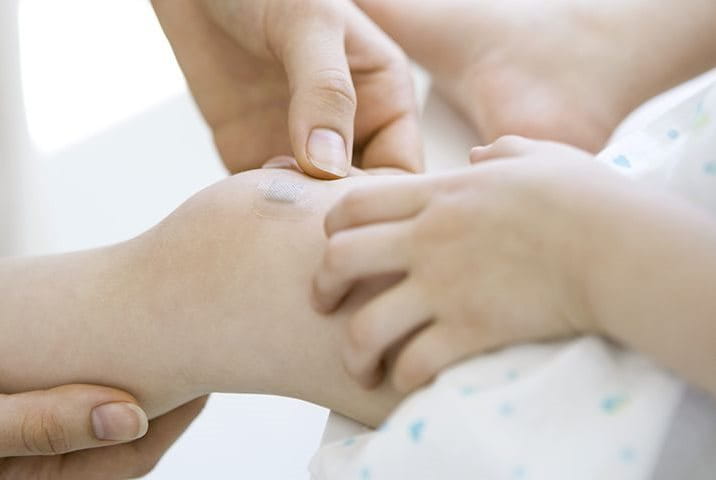
While adults are more likely to be able to remove plasters without too much pain, young children may find the process very painful. However, there are some techniques that parents can use for plaster removal. If you're also wondering how to remove plaster stuck to wound, here are helpful steps:
- Pull in the direction of hair growth: Place your fingers on either side of the plaster and gently remove with your other hand.
- Soak the plaster: Remove the plaster after bathing your child, as the warm water can weaken the adhesive of the bandage, making it easier to peel off.
- Lubricate it: Cover the plaster with baby oil, then soak some cotton wool in the same substance before rubbing it over the plaster until you can slowly peel off the corners. If you don’t have baby oil at home, try using a product like hand or body lotion, or even a small amount of cooking oil, such as vegetable or olive oil, to do the same job.
- Freeze the adhesive: Wrap some ice cubes or an ice pack in a thin towel and gently push against the plaster. This cold compress can make the adhesive brittle, so it's easier to remove.
- Get them to take a deep breath: Ease your child's anxiety by having them take a deep breath before you remove the plaster on the count of three.
- Use a distraction: Make sure your child knows you're going to remove the plaster. Then provide a distraction like their favourite toy, or tell them a story, to keep their mind off the plaster removal.
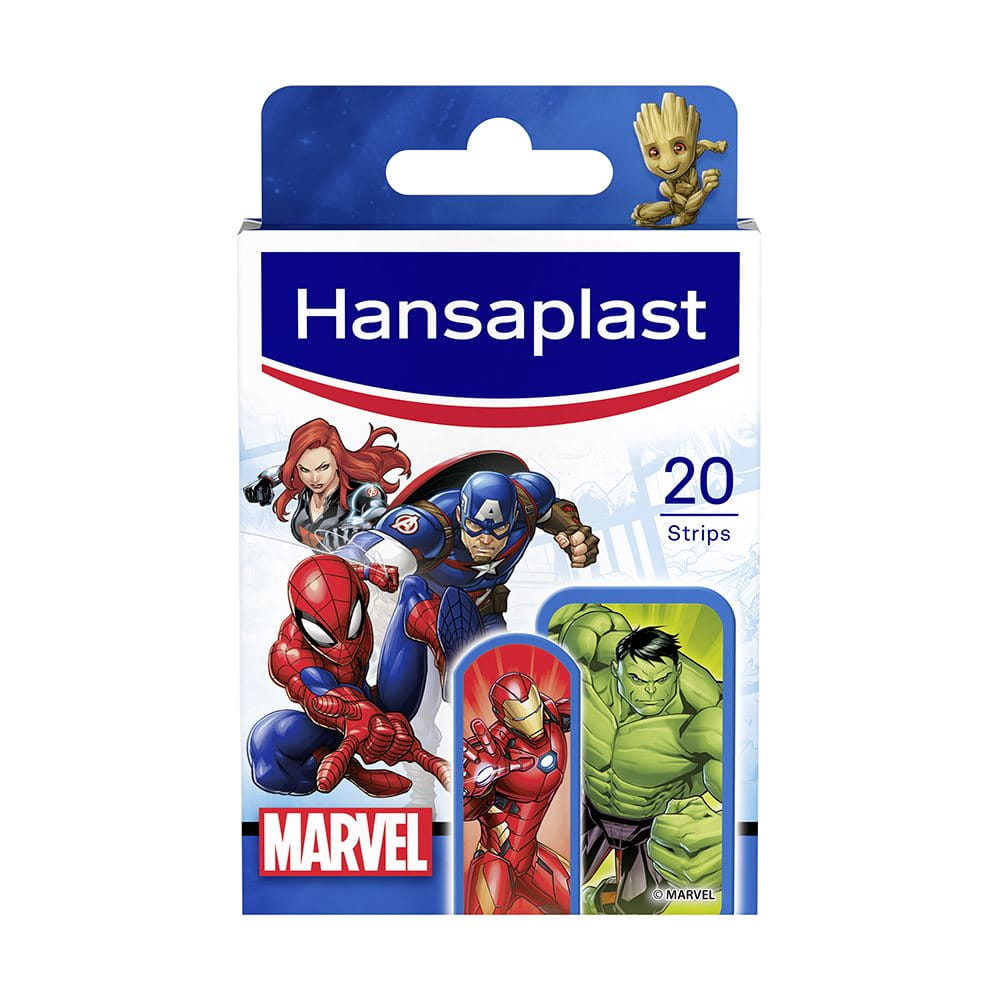
Hansaplast Kids Plasters have your child's favourite characters on them and are suitable for all types of smaller wounds. They protect children's wounds from dirt and bacteria while sealing all around the wound.
Hansaplast's range includes Mickey & Friends, Marvel, Disney Frozen 2 and more. All of these products stay firmly in place, but can be removed from the skin easily for painless removal.
How to remove blister plasters
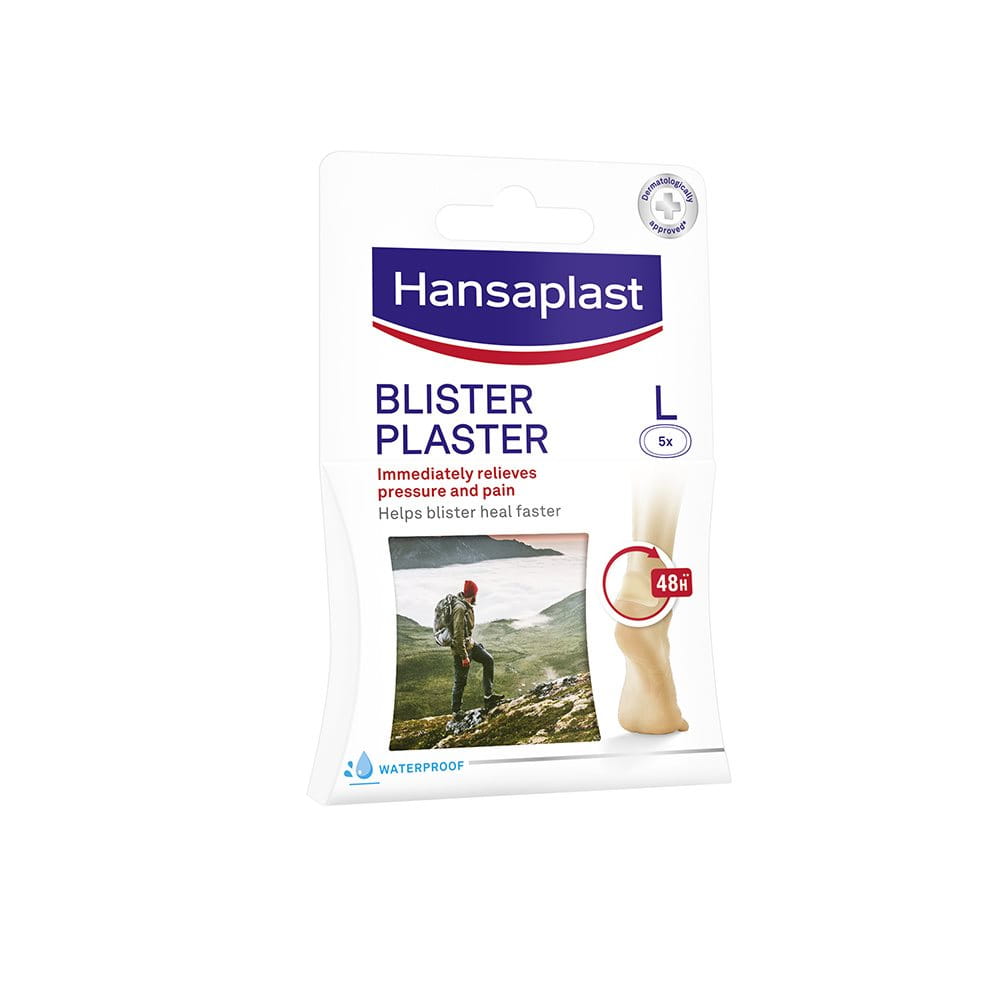
Blister plasters should only be changed when it peels off by themselves. If you have a blister, the Hansaplast Blister Plaster immediately relieves the pain and seals the affected area safely against dirt and bacteria. The hydrocolloid technology helps the blister to heal faster, and its extra-strong adhesion keeps the plaster in place for days. Learn more about hydrocolloid plasters.